In today’s security landscape, anti-drone system technologies have become a non-negotiable safeguard for critical infrastructure, public events, and sensitive airspace, as unauthorized drone activity poses escalating risks to privacy, safety, and operational continuity across the Americas, Middle East, and East Asia. A robust anti-drone system combines precision detection, real-time tracking, and swift neutralization capabilities, with radar detection, spectrum analysis, and countermeasure equipment forming the backbone of effective drone defense strategies for both military and civilian applications.
The proliferation of commercial, hobbyist, and potentially malicious drones has created an urgent demand for layered anti-drone defense systems that can adapt to diverse threat scenarios—from low-altitude urban intrusions to long-range aerial incursions. Effective anti-drone technologies must address three core imperatives: wide-range detection across all altitudes, accurate identification of drone types and intent, and targeted neutralization that avoids collateral damage to people or property. As drone technology evolves with enhanced mobility and stealth, anti-drone system developers are innovating at a rapid pace to deliver solutions that are all-weather, cost-effective, and scalable for organizations of all sizes, from government agencies to private enterprises managing high-value assets.
The Foundation of Anti-Drone Defense: Precision Detection
At the heart of any reliable anti-drone system is detection technology that can cut through environmental interference, distinguish drones from other airborne objects, and provide early warnings for timely intervention. Two technologies stand out as the cornerstone of drone detection: low-altitude detection radar and full-band spectrum detection, both of which address critical blind spots in traditional air surveillance and form the first line of defense against unauthorized drone activity.
Haisen’s TQ-R Series Low-Altitude Detection Radar represents the gold standard in anti-drone radar detection, engineered to solve the most pressing challenges of low-altitude drone surveillance—including differentiating drones from birds, minimizing false alarms, and operating seamlessly in harsh weather conditions. This advanced anti-drone radar system leverages state-of-the-art signal processing algorithms and real-time tracking capabilities to identify unauthorized drones with unparalleled precision, even in busy urban environments or remote industrial zones where drone threats are most prevalent.
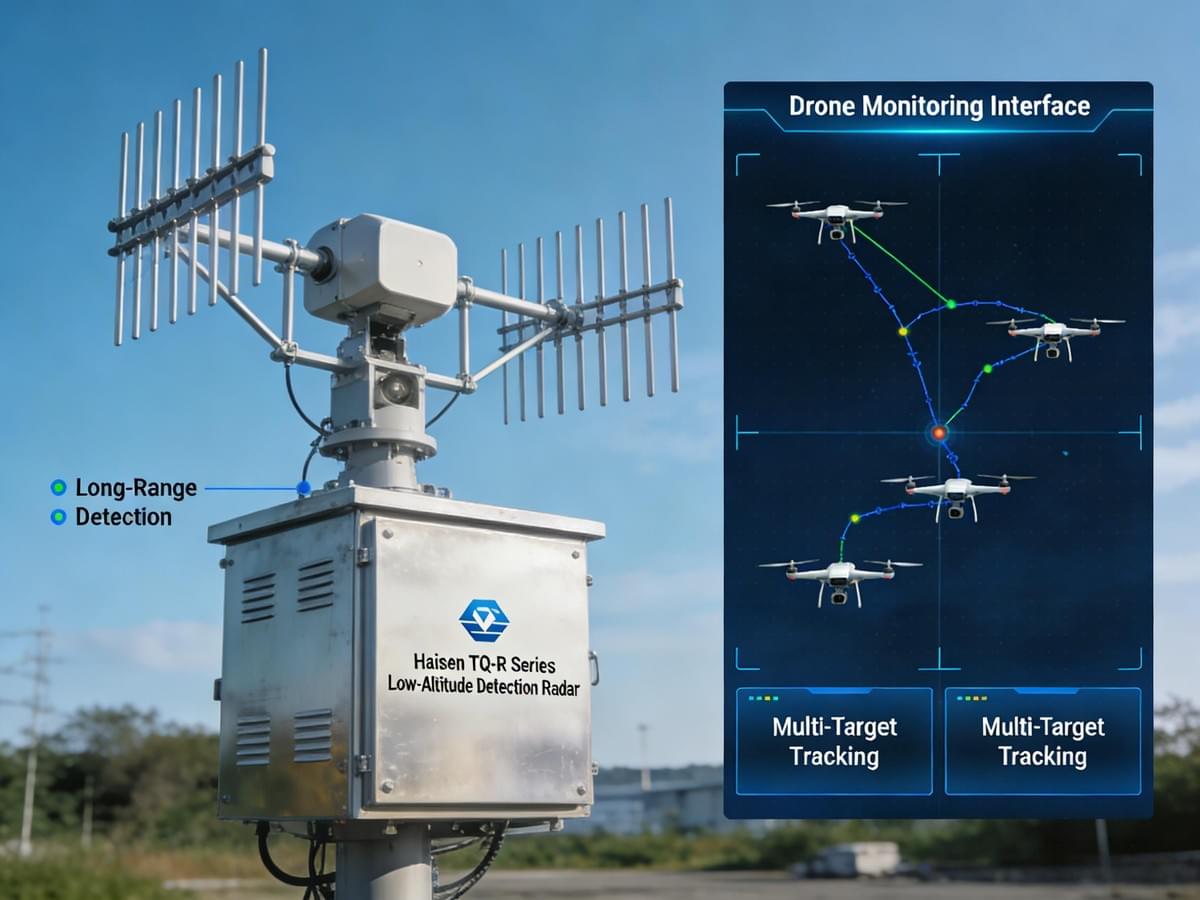
The TQ-R Series anti-drone radar delivers four game-changing advantages for drone defense: high accuracy that eliminates false alerts by distinguishing drone signals from birds, debris, and other airborne clutter; long-range detection that provides early warning of incoming threats, giving security teams critical time to deploy countermeasures; all-weather operation that ensures uninterrupted surveillance in rain, fog, wind, and extreme temperatures; and full-band spectrum detection that covers all drone communication and navigation frequencies, enabling identification of virtually all commercial and custom drone models. For anti-drone system deployments at airports, military bases, nuclear facilities, and large public venues, this radar technology is an indispensable component, as it provides the situational awareness needed to make informed, rapid security decisions.
Complementing radar detection is full-band spectrum detection, a core anti-drone technology that monitors and analyzes the entire electromagnetic spectrum to detect drone radio frequency (RF) signals—including communication, navigation, and telemetry data—even when drones are not visible to radar or the naked eye. This comprehensive spectrum analysis is critical for anti-drone defense because it can identify stealth drones that operate on unique frequencies or use inertial navigation to avoid RF detection, a growing threat in both military and civilian airspace. Full-band spectrum detection equipment for anti-drone systems scans thousands of frequencies in real time, classifying drone signals by type, model, and operational intent, and providing security personnel with precise location data for unauthorized drones.
When integrated with radar detection, full-band spectrum detection creates a multi-layered anti-drone system that leaves no blind spots. This combination is particularly effective for defending against drone swarms, a common tactic in malicious drone activity, as it can track multiple drone signals simultaneously and distinguish between individual drones in a cluster. For organizations operating in the Middle East, where drone threats to oil and gas infrastructure are a persistent concern, or in East Asia’s densely populated urban centers, where low-altitude drone intrusions risk public safety, this dual-detection approach is essential for a robust anti-drone defense strategy.
Frequency Band Spectrum Detection: Pinpointing Drone Signals
While full-band spectrum detection provides broad coverage, frequency band spectrum detection equipment offers targeted RF analysis that is optimized for real-time drone tracking and localization—making it a key component of portable and fixed-site anti-drone systems alike. This anti-drone technology focuses on the specific frequency bands used by most commercial and consumer drones, enabling rapid identification of drone signals and precise geolocation of both the drone and its operator.
Frequency band spectrum detection plays a vital role in anti-drone operations because it can detect drones in environments where radar may be limited, such as urban canyons with heavy signal interference or indoor/outdoor hybrid spaces like stadiums and shopping centers. By analyzing the unique RF signature of each drone, this equipment can differentiate between legitimate drone operations (e.g., commercial surveying) and unauthorized activity, reducing the risk of unnecessary countermeasure deployment and ensuring compliance with local airspace regulations. For the Americas, where drone regulations vary by country and state, this ability to identify drone intent is critical for balancing security with legal operational freedom.
Integrating frequency band spectrum detection into an anti-drone system also enhances the accuracy of countermeasure deployment, as it provides real-time data on drone position, speed, and flight path. This data is fed directly to countermeasure equipment, enabling targeted neutralization that minimizes the risk of disrupting other electronic systems or causing collateral damage. For critical infrastructure such as power plants, telecommunications hubs, and government buildings—all high-value targets for drone threats—this level of precision is non-negotiable for effective anti-drone defense.
Neutralization: Directional and Omni-Directional Countermeasure Equipment
Once an unauthorized drone is detected and identified, the next critical step in anti-drone defense is swift, targeted neutralization—and this is where directional and omni-directional countermeasure equipment become the backbone of the anti-drone system. These two types of countermeasure technologies address different threat scenarios, with directional systems optimized for precision targeting and omni-directional systems providing 360-degree protection against multi-directional drone attacks, making them essential for a comprehensive anti-drone defense strategy.
Directional countermeasure equipment is designed for pinpoint disruption of unauthorized drones, using focused electromagnetic interference (EMI) to jam drone communication and navigation systems without affecting surrounding electronic devices. This anti-drone technology is ideal for fixed-site deployments where drone threats are likely to come from specific directions—such as along the perimeter of a military base, airport runway, or industrial facility—and for mobile operations where precision is critical, such as protecting convoys or VIP events. The key advantages of directional countermeasures for anti-drone systems include targeted neutralization that disables only the threat drone, minimizing collateral damage; enhanced security that disrupts unauthorized surveillance, intrusion, or weaponized drone attacks; and cost-effectiveness that makes it a scalable solution for organizations with limited security budgets.
For anti-drone system deployments in the Middle East, where weaponized drone attacks on critical infrastructure are a frequent threat, directional countermeasure equipment is a go-to solution, as it can disable incoming drones at a safe distance before they reach their target. In the Americas, this technology is widely used for protecting large public events such as sports games and music festivals, where low-altitude drone intrusions risk crowd safety and privacy violations. In East Asia, directional countermeasures are a staple of airport anti-drone systems, as they can disable drones that enter restricted airspace without disrupting aircraft communication or navigation systems.
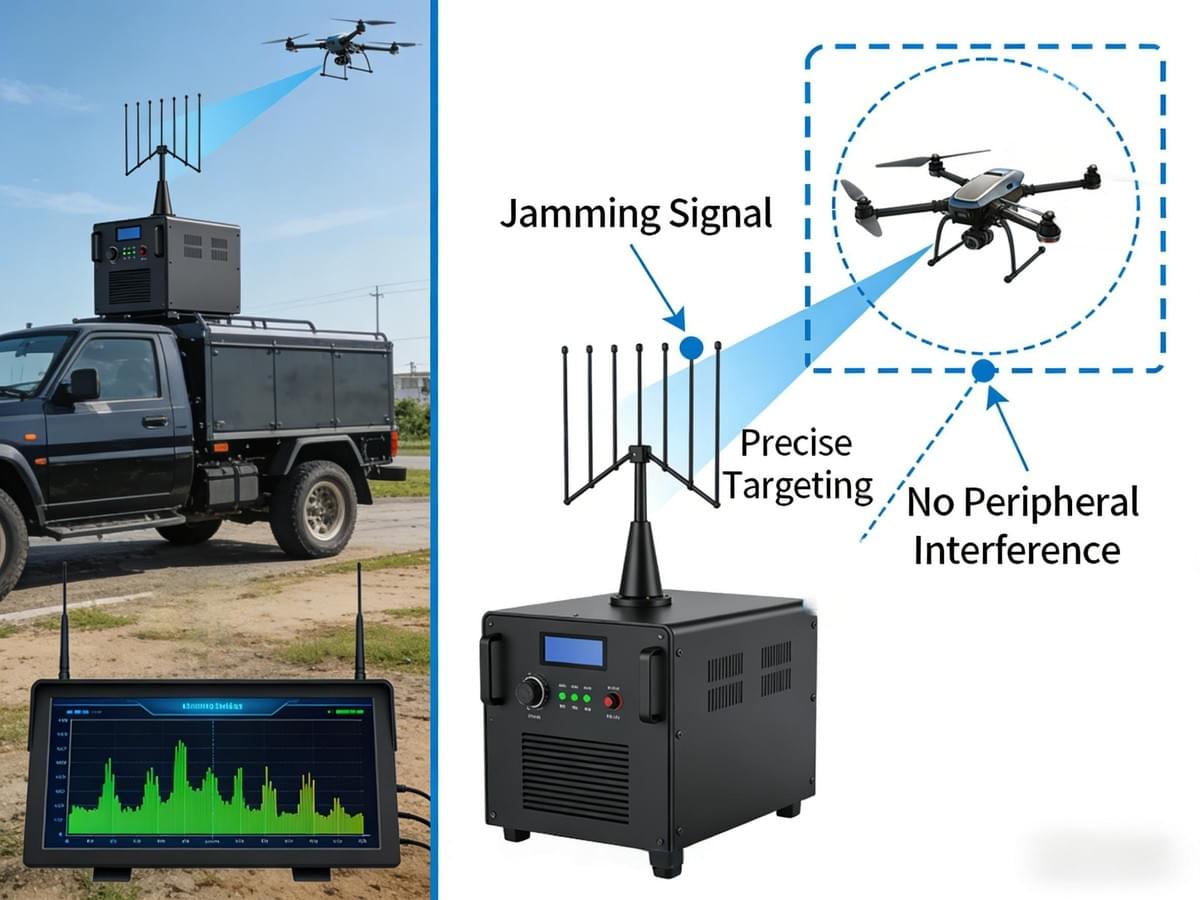
In contrast, omni-directional countermeasure equipment provides comprehensive 360-degree protection against drone threats from any angle or altitude, making it an essential component of anti-drone systems for high-security sites where drone attacks could come from multiple directions—such as government buildings, nuclear power plants, and military command centers. This anti-drone technology creates a continuous electromagnetic shield around a protected area, jamming all drone communication and navigation frequencies within its range and ensuring that no unauthorized drone can breach the airspace undetected.
Omni-directional countermeasures offer unparalleled versatility for anti-drone defense, as they can be deployed as fixed-site systems or integrated into mobile platforms, and they require minimal human intervention to operate. For organizations that need to protect large areas or dynamic environments—such as border patrols, disaster response zones, and large industrial complexes—this technology is a game-changer, as it provides constant, all-around anti-drone protection without the need for constant monitoring. Additionally, omni-directional countermeasure equipment is highly effective against drone swarms, as it can disable multiple drones simultaneously, a critical capability in an era where malicious drone operators are increasingly using swarm tactics to overwhelm traditional anti-drone systems.
Vehicle-Mounted UAV Countermeasure Systems: Mobile Anti-Drone Defense
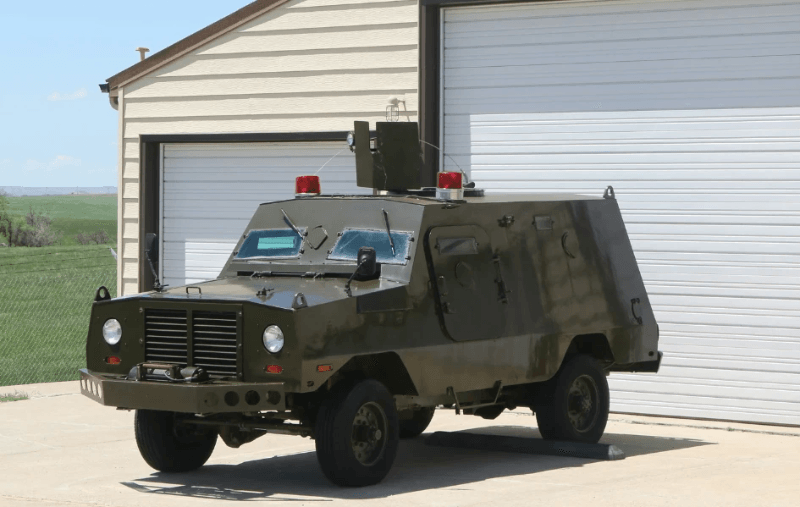
For organizations that require agile, on-the-go anti-drone protection, vehicle-mounted UAV countermeasure systems are the ultimate solution—combining the detection and neutralization capabilities of fixed-site anti-drone systems with the mobility to deploy to any location in minutes. This anti-drone technology is designed to be mounted on a wide range of vehicles, from light trucks and SUVs to military armored vehicles and emergency response units, making it ideal for both military operations and civilian security applications across the Americas, Middle East, and East Asia.
The core advantage of vehicle-mounted UAV countermeasure systems is rapid deployment, which allows security teams to respond to drone threats in real time, even in remote or hard-to-reach areas. For example, in the Middle East, these systems are used to protect oil and gas pipelines that span hundreds of miles of remote terrain, where fixed-site anti-drone systems are not feasible. In the Americas, they are deployed for border patrol and disaster response, where drone threats can emerge suddenly and in unpredictable locations. In East Asia, vehicle-mounted anti-drone systems are a staple of urban security operations, providing mobile protection for parades, political events, and other large gatherings where drone intrusions are a constant risk.
Vehicle-mounted UAV countermeasure systems integrate all core anti-drone technologies—low-altitude detection radar, full-band and frequency band spectrum detection, and both directional and omni-directional countermeasures—into a compact, rugged unit that can operate in extreme environmental conditions. These systems feature real-time tracking and targeting, enabling security personnel to detect, identify, and neutralize unauthorized drones while on the move, and they can be synced with central command centers to provide a unified anti-drone defense network across a large area. Additionally, they are cost-effective for organizations that need to protect multiple sites or dynamic environments, as a single vehicle-mounted system can replace multiple fixed-site anti-drone deployments.
Another key benefit of vehicle-mounted UAV countermeasure systems is adaptability, as they can be customized to meet the specific security needs of an organization. For example, military users can opt for heavy-duty systems with long-range detection and neutralization capabilities, while civilian users can choose compact, portable systems that are easy to operate and deploy for short-term events such as concerts or sports games. This flexibility makes vehicle-mounted anti-drone technology a scalable solution for businesses, government agencies, and military forces of all sizes.
The Future of Anti-Drone System Technologies: Innovation and Accessibility
As drone technology continues to evolve—with advancements in stealth, autonomy, and swarm capabilities—the anti-drone industry is responding with groundbreaking innovations that are making anti-drone systems more intelligent, user-friendly, and accessible than ever before. The next generation of anti-drone technology will leverage artificial intelligence (AI) and machine learning (ML) to enhance detection and neutralization capabilities, enabling real-time threat assessment, autonomous countermeasure deployment, and predictive analytics that can identify potential drone threats before they materialize.
AI integration into anti-drone systems will address one of the biggest challenges of current drone defense: reducing false alarms and improving threat classification. ML algorithms will learn to recognize the unique flight patterns, RF signatures, and operational behaviors of different drone types, enabling anti-drone systems to distinguish between a harmless hobbyist drone and a malicious weaponized drone with near-perfect accuracy. This will not only improve the efficiency of anti-drone defense but also reduce the risk of unnecessary countermeasure deployment, a critical consideration for civilian airspace where legitimate drone operations are on the rise.
Another key trend in anti-drone system development is miniaturization and portability, with developers creating compact, handheld anti-drone devices that combine spectrum detection and directional countermeasures for individual or small-team use. These portable systems are ideal for law enforcement, security guards, and military personnel who need on-the-go anti-drone protection, and they are making anti-drone technology accessible to small businesses and local government agencies that previously could not afford large-scale deployments. For the Americas and East Asia, where small businesses and local governments manage a significant portion of critical infrastructure, this accessibility is a game-changer for overall airspace security.
Cost-effectiveness is also a top priority for anti-drone system developers, as organizations across the globe demand solutions that deliver maximum protection at a reasonable price. The latest anti-drone technologies are designed with modularity in mind, allowing users to build a customized anti-drone system by adding or removing components as needed—from basic detection radar to advanced AI-powered countermeasures. This modular approach means that organizations can start with a basic anti-drone system and scale up as their security needs grow, making drone defense accessible to businesses, government agencies, and military forces of all sizes.
Choosing the Right Anti-Drone System for Your Security Needs
With a wide range of anti-drone system technologies available on the market, selecting the right solution for your organization requires a clear understanding of your security needs, the drone threats you face, and the environment in which you operate. When evaluating anti-drone systems, there are three key factors to consider: comprehensiveness, reliability, and scalability.
A comprehensive anti-drone system should combine all core detection and neutralization technologies—radar, spectrum detection, directional, and omni-directional countermeasures—to create a layered defense that leaves no blind spots. It should be able to detect drones at all altitudes, identify their type and intent, and neutralize them swiftly and precisely, without causing collateral damage. Reliability is equally important: the best anti-drone systems operate 24/7 in all weather conditions, with minimal downtime and false alarms, and they are backed by a proven track record of success in real-world drone defense scenarios.
Scalability is critical for organizations that need to protect multiple sites or expand their security operations over time. The ideal anti-drone system is modular and adaptable, allowing you to add new components or deploy additional units as your security needs grow, and it should be compatible with existing security systems such as CCTV, access control, and central command centers. Additionally, the anti-drone system should be user-friendly, with intuitive controls and real-time data visualization, so that security personnel can operate it effectively with minimal training.
For organizations operating across the Americas, Middle East, and East Asia—where drone threats vary widely by region and environment—partnering with a trusted anti-drone technology provider is essential. A reputable provider will offer a range of customized anti-drone solutions tailored to your specific needs, from fixed-site systems for critical infrastructure to mobile vehicle-mounted systems for dynamic security operations, and they will provide ongoing support, maintenance, and training to ensure that your anti-drone system remains effective as drone technology evolves.
Why Invest in Advanced Anti-Drone System Technologies Today?
The risk of unauthorized drone activity is not going away—in fact, it is only increasing as drones become more affordable, accessible, and capable. For organizations that manage critical infrastructure, host public events, or operate in sensitive airspace, investing in a robust anti-drone system is not just a security measure; it is a business imperative. A single drone intrusion can disrupt operations, damage reputation, and even pose a threat to human life—costing organizations millions of dollars in downtime, legal fees, and remediation costs.
Advanced anti-drone system technologies provide a proactive solution to this growing threat, enabling you to protect your airspace, assets, and personnel from unauthorized drone activity with precision and efficiency. Whether you are a government agency protecting military bases or public buildings, a private enterprise managing oil and gas infrastructure or airports, or an event organizer hosting large public gatherings, the right anti-drone system will give you the peace of mind to operate with confidence, knowing that your airspace is secure.
In a world where drone threats are constantly evolving, staying one step ahead requires investing in anti-drone system technologies that are innovative, reliable, and scalable. By leveraging the latest advancements in radar detection, spectrum analysis, countermeasure equipment, and AI, you can build a comprehensive anti-drone defense strategy that adapts to any threat scenario and protects your organization for years to come.