In the dynamic world of aviation, an Automated Weather Observing System (AWOS) is the cornerstone of reliable real-time weather data, empowering pilots, air traffic controllers (ATC), and airport operators to make mission-critical decisions that safeguard flight safety and streamline airport operations. Every second of accurate weather insight from an AWOS system mitigates risks from sudden weather shifts, turning unpredictable atmospheric conditions into manageable variables for aviation professionals across the globe.
Aviation weather is not just a backdrop to flight operations—it is a defining factor that shapes every takeoff, landing, and route adjustment. For decades, manual weather observations left room for human error and delayed data delivery, creating gaps in situational awareness that could compromise safety. Today, AWOS technology revolutionizes this landscape by delivering continuous, precise measurements of core weather parameters—including wind speed and direction, temperature, atmospheric pressure, visibility, and cloud height—directly to the stakeholders who need it most. Whether operating a busy international hub in North America, a regional airport in the Middle East, or a coastal facility in East Asia, an AWOS system adapts to local weather challenges, making it an indispensable asset for modern aviation ecosystems.
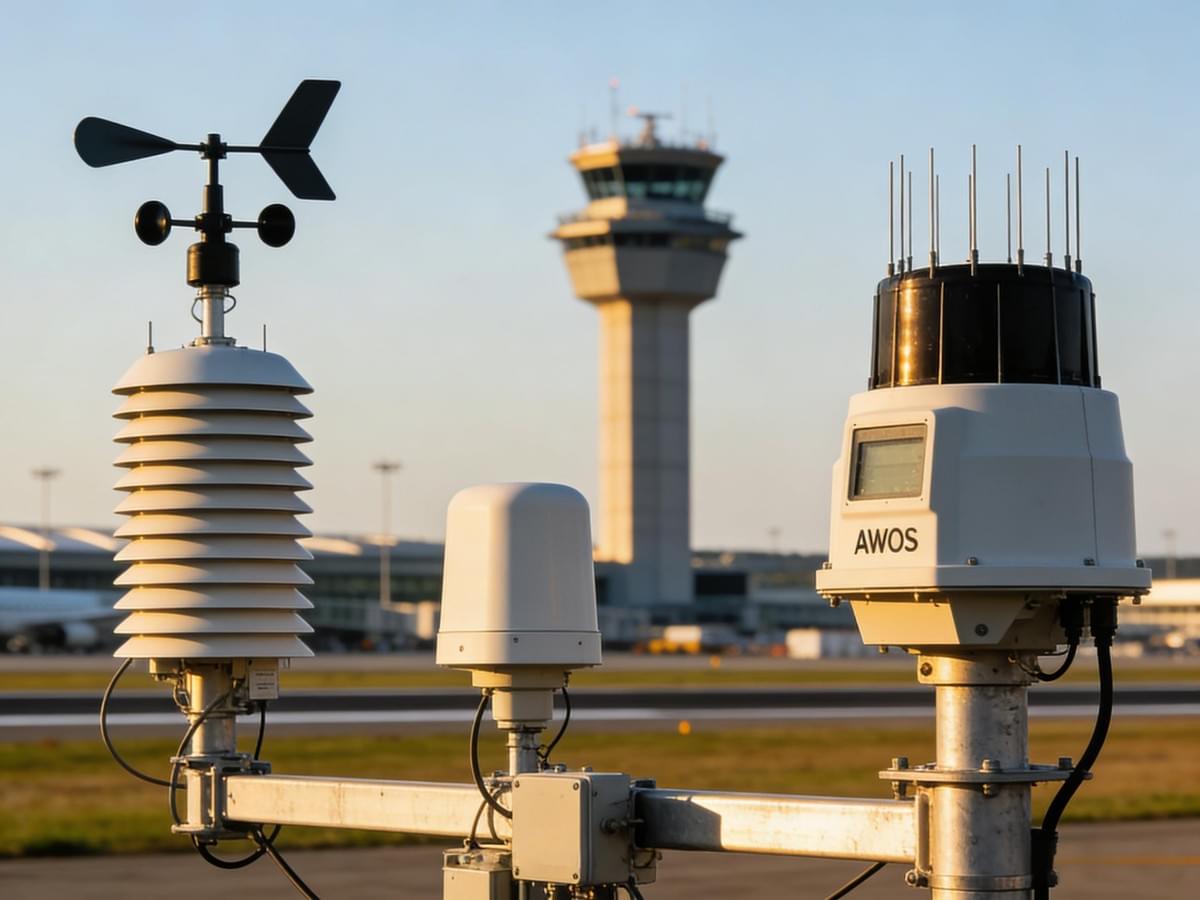
The core value of an AWOS lies in its ability to eliminate the limitations of traditional weather monitoring. Unlike periodic manual reports, an AWOS system operates 24/7, collecting data from strategically placed advanced sensors that are calibrated to detect even the slightest atmospheric changes—such as microbursts, sudden fog formation, or subtle shifts in wind shear—that pose significant threats to flight safety. These sensors are engineered to withstand extreme weather conditions, from the scorching heat of Middle Eastern deserts to the heavy monsoons of East Asian coastal regions, ensuring unbroken data collection regardless of the environment. For pilots, this means access to up-to-the-minute weather data before taxiing, during climbout, and throughout the flight, while ATC teams use the same real-time AWOS insights to manage air traffic flow and adjust landing approaches for maximum safety.
At the heart of every high-performing AWOS is its advanced sensor technology, a sophisticated network that forms the system’s data-collection backbone. Modern AWOS solutions—such as Haisen’s industry-leading Aviation AWOS—integrate a suite of precision sensors, each designed to measure a specific weather parameter with unparalleled accuracy. Temperature and dew point sensors use platinum resistance technology to deliver readings within ±0.2°C, critical for calculating density altitude and assessing aircraft performance. Wind sensors, including ultrasonic and propeller-based models, capture real-time wind speed (0-75 m/s) and direction (0-360°) with ±0.1 m/s and ±5° precision, providing early warnings of crosswinds or wind shear that could disrupt takeoffs and landings. Visibility and runway visual range (RVR) sensors use forward-scatter and atmospheric transmission technology to measure visibility down to 50 meters, a game-changer for airports operating in low-visibility conditions common in fog-prone East Asian regions or dust-storm affected Middle Eastern areas. Cloud height sensors leverage laser LIDAR technology to detect cloud bases up to 7.5 km, while barometric pressure sensors deliver ±0.3 hPa accuracy, essential for setting altimeters and ensuring vertical flight safety.
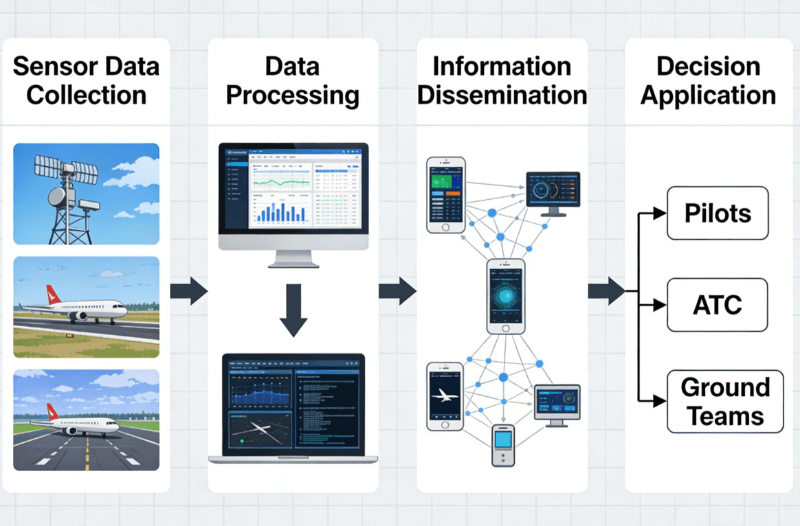
Each sensor in the AWOS network is connected to a central data processing unit that validates, compiles, and transmits data in real time. This automation eliminates human error, a critical advantage over manual observations, and ensures that all aviation stakeholders receive consistent, reliable weather information simultaneously. For example, if an AWOS detects a sudden drop in visibility at one runway, the system instantly alerts ATC, ground crews, and approaching pilots, allowing for rapid adjustments—such as switching to a different runway or delaying departures—before conditions become hazardous. This level of responsiveness is why AWOS technology is not just a tool for weather monitoring, but a foundational element of aviation safety management systems (SMS) worldwide.
The integration of AWOS with air traffic control (ATC) systems is a transformative step in streamlining aviation operations, creating a seamless flow of weather data that enhances situational awareness for both controllers and pilots. In busy airspaces—such as major hubs in the US, UAE, or China—ATC teams rely on AWOS data to make split-second decisions about flight sequencing, holding patterns, and approach paths. An AWOS system feeds real-time weather updates directly into ATC workstations, eliminating the need for manual data entry and ensuring that controllers have the latest insights at their fingertips. For instance, if AWOS data shows increasing crosswinds on a primary runway, ATC can quickly re-route aircraft to a secondary runway with more favorable conditions, minimizing delays and maintaining air traffic flow. This synergy between AWOS and ATC is particularly vital during adverse weather events, such as thunderstorms, sandstorms, or typhoons, where rapid decision-making is essential to keeping air operations safe and efficient.
Effective communication between the AWOS system and pilots is equally critical, and modern AWOS solutions deliver weather data through multiple channels to ensure accessibility. Pilots can access AWOS data via radio frequencies, ADS-B receivers, ATIS (Automated Terminal Information Service) broadcasts, and even in-cockpit displays, allowing them to review real-time weather conditions at every stage of the flight. This direct line of communication empowers pilots to make informed decisions about route adjustments, altitude changes, or alternate landing sites based on current weather data, rather than relying on outdated forecasts. For example, a pilot en route to a Middle Eastern airport can use AWOS data to detect an approaching sandstorm and adjust their flight path to avoid it, while a pilot flying into an East Asian airport can use AWOS insights to navigate through sudden fog banks. By putting AWOS data directly into the hands of pilots, the aviation industry creates a culture of shared situational awareness, where both ATC and flight crews work from the same accurate weather information.
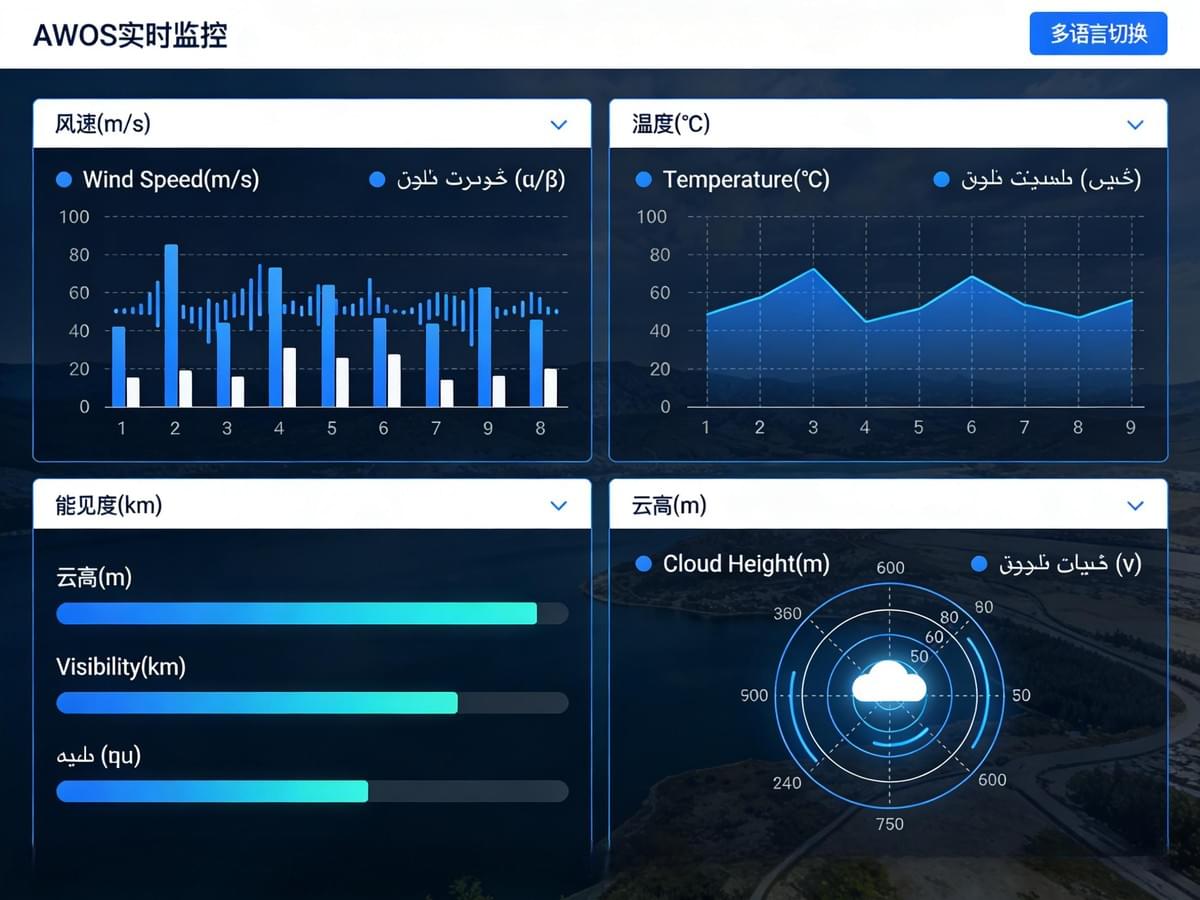
Another defining feature of a robust AWOS is its ability to capture and analyze regional weather variability, a critical capability for aviation operations in geographically diverse areas. Weather patterns are inherently local—what may be clear skies at one end of an airport can be thunderstorms at the other, and a calm wind at ground level can shift to strong turbulence at altitude. AWOS systems excel at detecting these localized weather phenomena, providing granular data that is tailored to the specific location of the airport, runway, or flight path. This localized insight is invaluable for pilots during takeoff and landing, the most critical phases of flight, where even small weather changes can have a significant impact. For example, if an AWOS detects fog rolling into Runway 09 but clear conditions on Runway 27, a pilot can adjust their approach to use the clearer runway, avoiding delays and enhancing safety.
In addition to detecting real-time localized weather, AWOS data enhances the accuracy of regional weather forecasts, a key component of effective flight planning. By integrating real-time AWOS measurements from multiple airports and locations, meteorologists and aviation planners can refine forecasts to account for microclimates and localized weather patterns—such as coastal breezes in East Asia, desert heat in the Middle East, or lake-effect snow in North America. This level of detail allows airlines to optimize flight schedules, adjust fuel loads, and allocate resources more effectively, minimizing weather-related delays and cancellations. For example, if AWOS data from multiple regional airports indicates a developing storm system, airlines can proactively re-route flights, ground aircraft, or adjust departure times, reducing the impact on passengers and operations. The Airport Weather Advisor, a core component of many AWOS systems, takes this a step further by translating raw AWOS data into actionable insights for ground services and scheduling teams, helping them optimize gate assignments, baggage handling, and aircraft maintenance based on real-time weather conditions.
The benefits of AWOS extend far beyond the cockpit and ATC tower, delivering tangible improvements to every aspect of airport operations. Ground services—including aircraft maintenance, fueling, baggage handling, and catering—rely on accurate weather data to plan their activities and avoid weather-related disruptions. For example, if an AWOS detects an approaching thunderstorm, ground crews can quickly secure aircraft, move equipment indoors, and pause outdoor operations, preventing damage and ensuring the safety of personnel. AWOS data also optimizes resource allocation at airports, allowing operators to deploy staff and equipment where they are needed most based on real-time weather conditions. In a busy international airport, this means that snow removal teams in North America, dust mitigation crews in the Middle East, and flood response teams in East Asia can be mobilized proactively, before weather conditions escalate into operational issues.
By streamlining ground operations and minimizing weather-related delays, AWOS technology directly enhances overall airport efficiency and passenger experience. Delays caused by adverse weather are a major pain point for airlines and passengers alike, and AWOS data reduces these delays by providing the accurate, timely information needed to make proactive decisions. For example, if an AWOS detects that visibility is improving faster than forecasted, an airport can resume operations sooner, getting flights back on schedule and reducing passenger wait times. Similarly, if AWOS data shows that a weather system is moving slower than expected, airlines can adjust their schedules to avoid lengthy ground holds, improving on-time performance and customer satisfaction. In an industry where every minute of delay translates to significant costs, the efficiency gains from AWOS technology are substantial, making it a cost-effective investment for airports of all sizes.
The reliability of an AWOS system is only as strong as its maintenance and support, and modern AWOS solutions are designed for ease of use, calibration, and upkeep—critical for airports with varying levels of technical resources across North America, the Middle East, and East Asia. AWOS sensors require regular cleaning and calibration to maintain accuracy, and leading providers like Haisen offer comprehensive maintenance programs that include on-site inspections, remote monitoring, and rapid repair services. Remote diagnostic capabilities allow technicians to identify and resolve issues with the AWOS system in real time, minimizing downtime and ensuring continuous data collection. For example, if a wind sensor malfunctions, a remote technician can diagnose the issue and guide on-site staff through repairs, eliminating the need for costly and time-consuming technician dispatch. Regular software updates are also a key part of AWOS maintenance, ensuring that the system remains compatible with the latest aviation technology and industry standards, such as METAR and SPECI weather reporting formats.
As aviation technology continues to evolve, the future of AWOS is poised for even greater innovation, with artificial intelligence (AI) and machine learning (ML) set to transform how weather data is collected, analyzed, and applied. AI-powered AWOS systems will not only deliver real-time weather data but also predict adverse weather conditions—such as thunderstorms, wind shear, or fog—before they occur, giving aviation stakeholders even more time to prepare and adjust operations. Machine learning algorithms will analyze historical AWOS data alongside real-time measurements to identify weather patterns and trends, refining forecasts and improving the accuracy of weather-related decision-making. For example, an AI-enhanced AWOS system could predict the formation of fog at a specific runway based on historical temperature, humidity, and wind data, alerting ATC and pilots hours in advance.
The integration of AWOS with other aviation technologies—such as ADS-B, satellite weather monitoring, and in-cockpit navigation systems—will create a fully connected aviation ecosystem, where weather data is seamlessly shared across all platforms and stakeholders. This level of integration will further enhance situational awareness and decision-making, making flights even safer and more efficient. For airports in emerging aviation markets, such as parts of the Middle East and East Asia, the adoption of advanced AWOS technology will be a key driver of growth, allowing them to meet international safety standards and accommodate increasing air traffic. As the global aviation industry continues to expand, AWOS will remain a foundational technology, adapting and evolving to meet the changing needs of pilots, airports, and passengers worldwide.
In conclusion, the Automated Weather Observing System (AWOS) is more than just a weather monitoring tool—it is a transformative technology that redefines safety, efficiency, and reliability in modern aviation. From its advanced sensor technology that delivers precise, real-time weather data to its seamless integration with ATC and flight operations, AWOS addresses the most critical weather-related challenges facing the aviation industry today. Its ability to capture regional weather variability, optimize airport operations, and empower data-driven decision-making makes it an indispensable asset for airports and airlines across North America, the Middle East, East Asia, and beyond.
For aviation operators looking to elevate their safety standards, reduce weather-related delays, and streamline operations, investing in a high-quality AWOS system is not just a choice—it is a necessity. Leading AWOS providers like Haisen offer customized solutions that adapt to the unique weather challenges of any location, combining cutting-edge sensor technology with reliable maintenance and support to ensure unbroken performance. As the aviation industry continues to evolve, AWOS will remain at the forefront of weather technology, driving innovation and setting new standards for safety and efficiency in the skies.
In a world where weather is always unpredictable, an AWOS system gives the aviation industry the power to stay one step ahead—ensuring that every flight is as safe and efficient as possible, no matter what the sky holds.