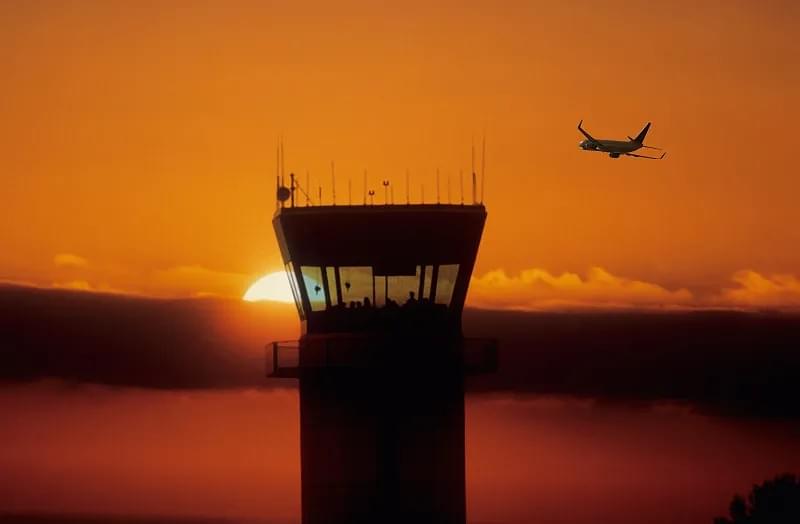
The Airport Control Tower stands as the silent backbone of global aviation, orchestrating the complex dance of aircraft that fills our skies each day. Beyond its iconic silhouette, this critical infrastructure combines cutting-edge technology, highly trained professionals, and seamless coordination to turn the chaos of millions of annual flights into safe, efficient journeys for passengers worldwide. For airlines, airports, and aviation stakeholders, understanding the inner workings of these nerve centers isn’t just a matter of curiosity—it’s essential to investing in safer, more reliable operations that build trust and loyalty. In this deep dive, we’ll explore how airport control towers fulfill their mission, the innovations reshaping their capabilities, and why partnering with industry leaders in tower technology can elevate your aviation operations to new heights.
The Indispensable Role of Airport Control Towers in Aviation Safety
Airport Control Towers are far more than observation posts—they are the central command hubs where air traffic management (ATM) comes to life. Every takeoff, landing, and taxiing maneuver within an airport’s airspace and ground facilities falls under their vigilant oversight. Without the precision coordination of these towers, the skies would devolve into disarray: mid-air collisions, runway incursions, and catastrophic delays would become inevitable, grinding global aviation to a halt.
At their core, airport control towers serve three non-negotiable functions that underpin aviation safety. First, they act as the primary communication link between pilots, ground crews, and regional air traffic control centers, ensuring real-time information flows seamlessly across all parties. Second, they manage the allocation of critical resources—runways, taxiways, and gate positions—optimizing flow to minimize congestion while maintaining strict safety margins. Third, they serve as emergency response coordinators, mobilizing support for medical crises, mechanical failures, or weather-related incidents with split-second precision.
For aviation operators, the value of a well-equipped Airport Control Tower cannot be overstated. Airlines rely on tower guidance to avoid costly delays and ensure on-time performance, while airports depend on tower efficiency to maximize capacity without compromising safety. Passengers, meanwhile, benefit from the peace of mind that comes with knowing every flight is overseen by experts who prioritize their well-being above all else. In an industry where safety is non-negotiable and efficiency drives profitability, the Airport Control Tower is the ultimate force multiplier.
Inside the Airport Control Tower: How Controllers Master Chaos
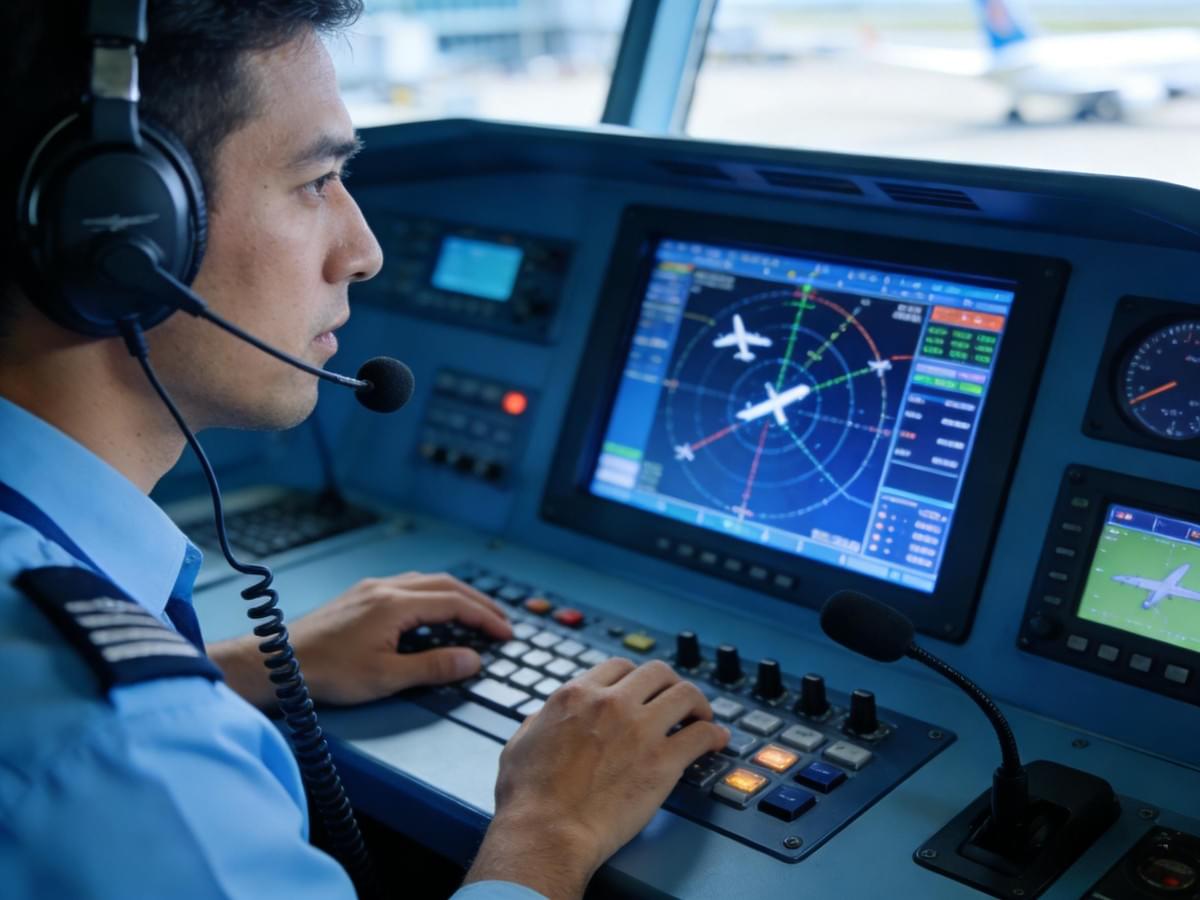
The men and women who staff Airport Control Towers are the unsung heroes of aviation—highly trained professionals who thrive under pressure, make split-second decisions, and manage complexity with calm precision. Their role is a unique blend of technical expertise, situational awareness, and interpersonal skill, requiring years of training and continuous professional development to master.
A typical shift in an Airport Control Tower is a masterclass in multitasking. Controllers monitor multiple radar feeds, communicate with dozens of pilots via radio, coordinate with ground services (baggage handlers, fuel teams, maintenance crews), and track weather conditions—all simultaneously. During peak travel periods, a single controller may oversee 50 or more takeoffs and landings per hour, each requiring precise timing and clear communication to ensure safe separation between aircraft.
The key to their success lies in a strict adherence to protocols and a deep understanding of aviation physics. Controllers use standardized phraseology to eliminate miscommunication, relying on terms like “cleared for takeoff,” “maintain visual separation,” and “taxi to runway 27L” to ensure every instruction is unambiguous. They also leverage their knowledge of aircraft performance—from small regional jets to large wide-body airliners—to sequence flights in a way that maximizes efficiency without compromising safety. For example, a heavy cargo plane may require a longer runway for takeoff than a light passenger jet, so controllers adjust sequencing to accommodate these differences, preventing bottlenecks and reducing risk.
But technical skill alone isn’t enough. Air traffic controllers must remain calm under extreme pressure, whether managing a sudden thunderstorm that disrupts landing patterns or coordinating an emergency evacuation of an aircraft with mechanical issues. Their ability to stay focused, prioritize tasks, and communicate clearly in crisis situations is what separates good controllers from great ones—and it’s why the training to become an air traffic controller is among the most rigorous in the aviation industry.
Core Functions of Airport Control Towers: Beyond Takeoffs and Landings
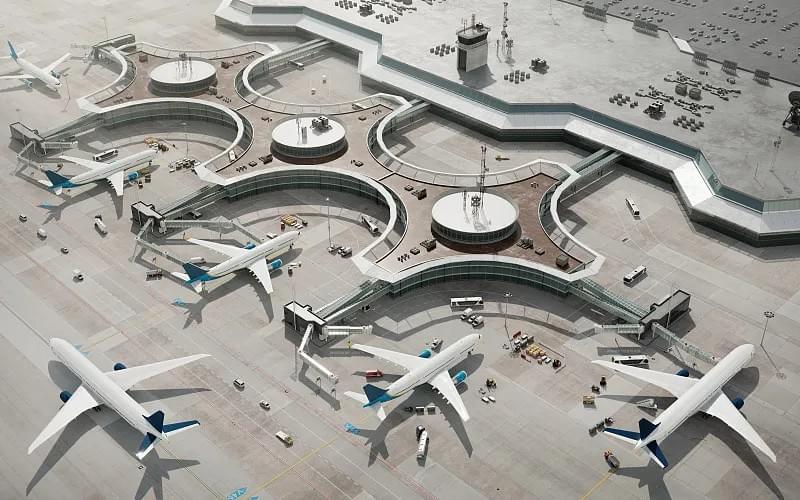
While takeoffs and landings are the most visible aspects of an Airport Control Tower’s work, their responsibilities extend far beyond these critical moments. From the moment an aircraft enters the airport’s airspace to the second it parks at the gate (and vice versa), the tower is involved in every step of the journey. Let’s break down the three core functions that keep aviation operations running smoothly.
1. Real-Time Communication: The Backbone of Safe Operations
Effective communication is the lifeblood of the Airport Control Tower. Controllers use high-frequency radio systems to relay vital information to pilots, including weather updates (wind speed, visibility, precipitation), runway conditions (wet, icy, clear), traffic alerts (other aircraft in the vicinity), and flight instructions (altitude changes, route adjustments). This constant dialogue ensures that pilots have all the information they need to make safe decisions, while controllers maintain full situational awareness of every aircraft under their purview.
Communication begins long before an aircraft lands. As a flight approaches the airport, the tower’s approach control team guides the pilot into the correct landing pattern, ensuring they align with the runway and maintain a safe distance from other arriving flights. Once the aircraft is cleared to land, the tower controller monitors its descent, providing last-minute updates on wind shear or runway obstacles. After landing, the ground control team takes over, directing the aircraft to its gate via the most efficient taxiway route, avoiding congestion with other planes or ground vehicles.
For pilots, this seamless communication is invaluable. In inclement weather, for example, a controller might advise a pilot to switch to an alternate runway with better visibility, or delay landing until a thunderstorm passes. In emergency situations—such as an engine failure or a medical crisis onboard—controllers act as lifelines, coordinating with emergency services, clearing airspace for an urgent landing, and ensuring ground crews are ready to respond the moment the aircraft touches down.
2. Runway and Taxiway Management: Optimizing Flow, Minimizing Risk
Runways and taxiways are the highways of the sky, and the Airport Control Tower is responsible for keeping traffic moving safely and efficiently. With multiple aircraft arriving, departing, and taxiing at any given time, controllers must sequence flights in a way that minimizes delays while maintaining strict safety margins—typically a minimum of 3 miles between aircraft in the air and clear separation on the ground.
To achieve this, controllers use advanced radar systems and surface movement guidance tools to track every aircraft and vehicle on the airfield. They consider a range of factors when sequencing flights: aircraft size (larger planes require more space and time), weather conditions (low visibility may slow landing speeds), fuel levels (planes with low fuel get priority), and air traffic volume (peak periods demand tighter sequencing). This meticulous planning ensures that runways are used to their full capacity without compromising safety.
Runway management also involves coordinating with maintenance teams to schedule repairs and inspections during off-peak hours, minimizing disruption to flight operations. For example, a controller might close one runway for resurfacing overnight, redirecting traffic to alternate runways while ensuring delays remain minimal. Similarly, during snow or ice events, controllers work with snow removal crews to clear runways and taxiways, balancing the need for safety with the need to keep flights on schedule.
3. Ground Service Coordination: The Invisible Logistics
Behind every smooth flight is a army of ground service teams—baggage handlers, fuelers, caterers, maintenance workers, and gate agents—and the Airport Control Tower is the glue that holds these teams together. Controllers communicate directly with ground service supervisors to coordinate the timing of tasks, ensuring that aircraft are ready for departure on time while avoiding conflicts on the airfield.
For example, when an aircraft lands, the tower notifies the gate agent to prepare for arrival, the baggage handlers to position carts near the plane, and the fuel team to refuel the aircraft (if needed) before its next flight. Controllers also manage the movement of ground vehicles—such as tugs, cargo loaders, and emergency trucks—ensuring they stay clear of active runways and taxiways. This coordination is critical to preventing ground collisions, which can cause costly damage and delays.
In emergency situations, ground service coordination becomes even more important. If a pilot reports a fire on board, the tower immediately alerts the airport fire department, directing them to the correct runway or gate while clearing other traffic from the area. Similarly, for medical emergencies, controllers coordinate with ambulance services to ensure a quick transfer of patients from the aircraft to the hospital, minimizing delays for other flights.
The Technology Powering Modern Airport Control Towers
Gone are the days of Airport Control Towers relying solely on binoculars and radio communication. Today’s towers are equipped with state-of-the-art technology that enhances situational awareness, automates routine tasks, and enables controllers to manage increasingly complex air traffic with greater precision. From advanced radar systems to remote tower solutions, these technologies are reshaping the future of air traffic management.
Advanced Radar and Surveillance Systems
Radar has long been the foundation of air traffic control, but modern systems are far more powerful and precise than their predecessors. Primary radar systems use high-frequency radio waves to detect aircraft, providing real-time data on their position, speed, and altitude. Secondary radar systems, meanwhile, communicate directly with transponders on aircraft, collecting additional information such as the aircraft’s identification number, flight path, and destination.
The latest innovation in radar technology is Automatic Dependent Surveillance–Broadcast (ADS-B), which allows aircraft to transmit their location, speed, and altitude directly to ground stations and other aircraft. Unlike traditional radar, which relies on ground-based transmitters, ADS-B provides continuous, real-time tracking—even in remote areas where radar coverage is limited. This two-way communication significantly enhances situational awareness for both controllers and pilots, reducing the risk of mid-air collisions and improving the efficiency of flight routing.
For airport operators, ADS-B offers a range of benefits. It reduces the need for expensive ground-based radar infrastructure, lowers maintenance costs, and provides more accurate data for traffic management. It also enables more flexible flight paths, allowing pilots to avoid congestion and optimize fuel efficiency—saving airlines money and reducing carbon emissions.
Haisen’s Remote Tower System: Redefining Tower Operations
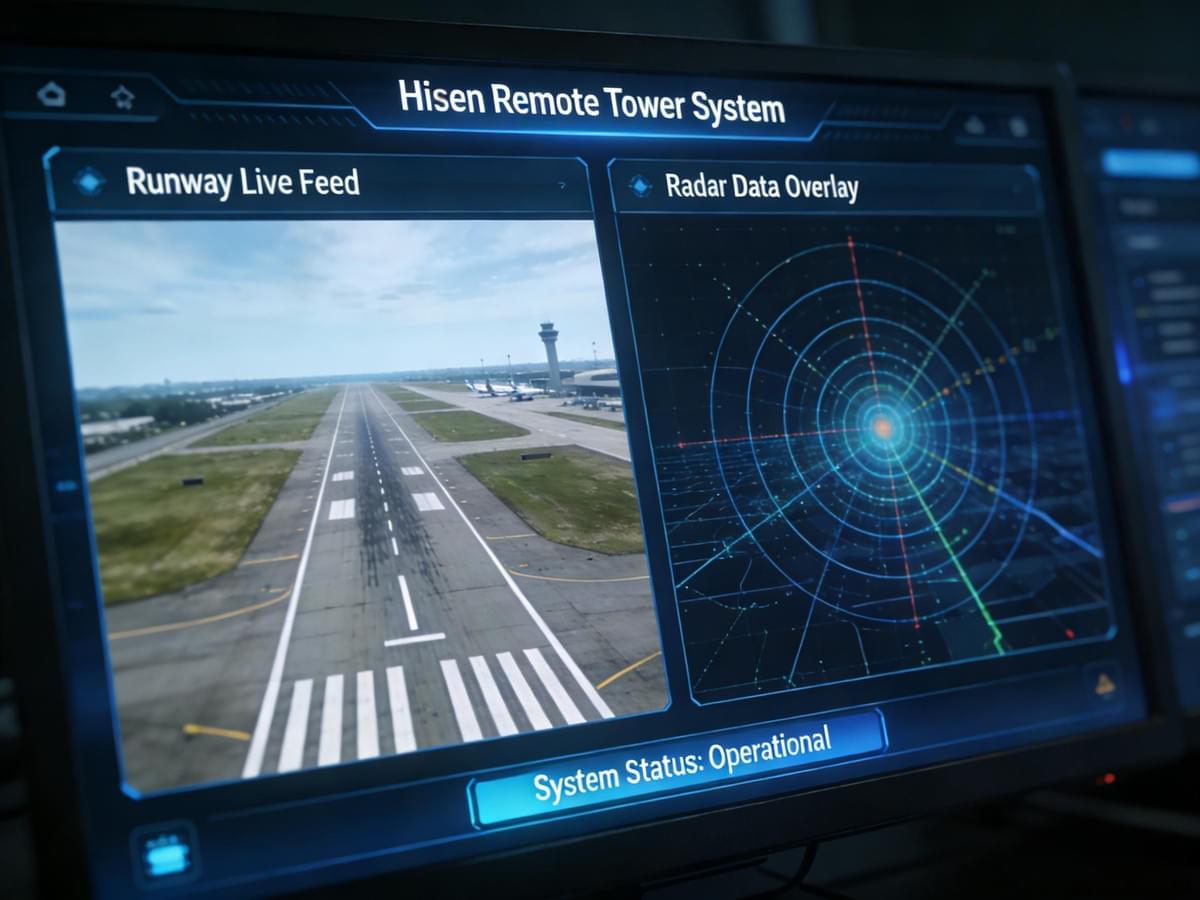
One of the most transformative technologies in aviation today is the remote tower system, and Haisen Global is leading the charge with its industry-leading solution. Haisen’s Remote Tower System allows air traffic controllers to manage flights from a centralized location—hundreds or even thousands of miles away from the airport—using high-definition cameras, sensors, and real-time data feeds.
Here’s how it works: High-resolution cameras are strategically placed around the airport, capturing 360-degree views of runways, taxiways, and gates. These cameras are equipped with zoom and pan capabilities, allowing controllers to zoom in on specific aircraft or areas of the airfield with crystal-clear detail. The video feeds are transmitted to a remote control center, where controllers use specialized workstations to monitor traffic, communicate with pilots, and manage operations—just as they would in a traditional tower.
Haisen’s Remote Tower System offers a range of advantages for airports of all sizes. For small and regional airports, which often lack the resources to build and staff a traditional tower, remote towers provide a cost-effective way to maintain safe operations. For large hub airports, remote towers can be used to manage secondary runways or satellite terminals, freeing up controllers in the main tower to focus on high-priority traffic. Additionally, remote towers enhance resilience: if a traditional tower is damaged by weather or an emergency, operations can be seamlessly shifted to a remote center, minimizing disruption.
But the biggest benefit of Haisen’s Remote Tower System is safety. The high-definition cameras and advanced sensors provide controllers with better visibility than traditional towers, especially in low-light or inclement weather conditions. The system also integrates with radar and ADS-B data, giving controllers a comprehensive view of air and ground traffic. With Haisen’s technology, airports can achieve the same—if not higher—levels of safety as traditional towers, while reducing costs and improving efficiency.
Automation and Artificial Intelligence in Air Traffic Control
Automation and artificial intelligence (AI) are revolutionizing the way Airport Control Towers operate, taking over routine tasks and providing controllers with powerful tools to make better decisions. From flight data processing to conflict detection, these technologies are reducing human error, improving efficiency, and enabling controllers to focus on the most complex aspects of their jobs.
One of the key applications of automation in air traffic control is flight data processing. Instead of manually entering and updating flight information, controllers use automated systems that pull data directly from airline reservation systems, flight plans, and aircraft transponders. This reduces the risk of data entry errors and ensures that controllers have the most up-to-date information at all times.
AI-powered conflict detection systems are another game-changer. These systems analyze real-time traffic data to identify potential collisions—either in the air or on the ground—before they occur. If a conflict is detected, the system alerts the controller and suggests a solution, such as adjusting an aircraft’s altitude or routing. This proactive approach helps prevent near-misses and gives controllers more time to respond to potential hazards.
In the future, AI is expected to play an even larger role in air traffic management. Predictive analytics tools will use historical data to anticipate traffic congestion, allowing controllers to adjust flight paths or sequencing in advance. Machine learning algorithms will learn from past incidents to improve safety protocols, while natural language processing will enable controllers to communicate with pilots using voice commands—reducing the need for manual input and speeding up communication.
For aviation stakeholders, the integration of automation and AI into Airport Control Towers is a win-win. It improves safety by reducing human error, increases efficiency by optimizing traffic flow, and lowers costs by reducing the workload on controllers. As these technologies continue to evolve, they will become an essential part of any modern airport’s operations.
Overcoming the Challenges Faced by Airport Control Towers
Despite the advanced technology and rigorous training, Airport Control Towers face a range of challenges that test their capabilities every day. From unpredictable weather to record-breaking traffic volumes, these challenges require controllers and operators to stay agile, adaptable, and prepared for the unexpected.
Weather-Related Disruptions: Nature’s Unpredictable Threat
Weather is one of the biggest challenges facing Airport Control Towers, with rain, snow, fog, thunderstorms, and wind shear all capable of disrupting flight operations. Low visibility can make it difficult for pilots to land or take off, while strong winds or turbulence can make flights unsafe. In extreme cases, severe weather can force airports to close runways or cancel flights entirely.
To mitigate these risks, Airport Control Towers are equipped with advanced weather monitoring systems that provide real-time updates on conditions. Controllers work closely with meteorologists to track weather patterns, using this information to adjust flight sequencing, redirect traffic to alternate runways, or delay flights until conditions improve. For example, if a thunderstorm is approaching, controllers may implement holding patterns for arriving flights, giving pilots time to wait for the storm to pass before attempting to land.
Haisen’s Remote Tower System offers a unique advantage in inclement weather. The high-definition cameras are equipped with thermal imaging and low-light capabilities, allowing controllers to see clearly even in fog, rain, or darkness. This enhanced visibility helps controllers make better decisions during weather-related disruptions, reducing delays and improving safety.
Managing High Traffic Volumes: The Pressure of Peak Travel
As global air travel continues to grow, Airport Control Towers are facing unprecedented levels of traffic. During peak travel periods—such as holidays, summer vacations, or major events—airports can see a 50% or more increase in flights, putting immense pressure on controllers and systems.
To handle high traffic volumes, Airport Control Towers rely on a combination of advanced technology and strategic planning. Controllers use flow management tools to sequence flights in the most efficient way possible, prioritizing flights with tight connections or low fuel. They also coordinate with regional air traffic control centers to adjust arrival and departure times, spreading out traffic to avoid congestion.
Automation plays a key role in managing high traffic volumes. Automated flight data processing systems reduce the time controllers spend on routine tasks, while AI-powered conflict detection systems help them identify potential issues before they become problems. For large hub airports, remote tower systems can be used to manage additional runways or terminals, increasing capacity without requiring additional staff in the main tower.
Emergency Situations: Responding to the Unexpected
Emergencies are rare in aviation, but when they occur, Airport Control Towers are on the front lines of the response. From mechanical failures and medical crises to security threats and natural disasters, controllers must act quickly and decisively to ensure the safety of passengers, crew, and ground personnel.
The key to effective emergency response is preparation. Air traffic controllers undergo extensive training in handling emergency situations, including simulations of engine failures, cabin fires, and hijackings. They work closely with airport emergency services—fire departments, police, and medical teams—to develop response plans and conduct regular drills.
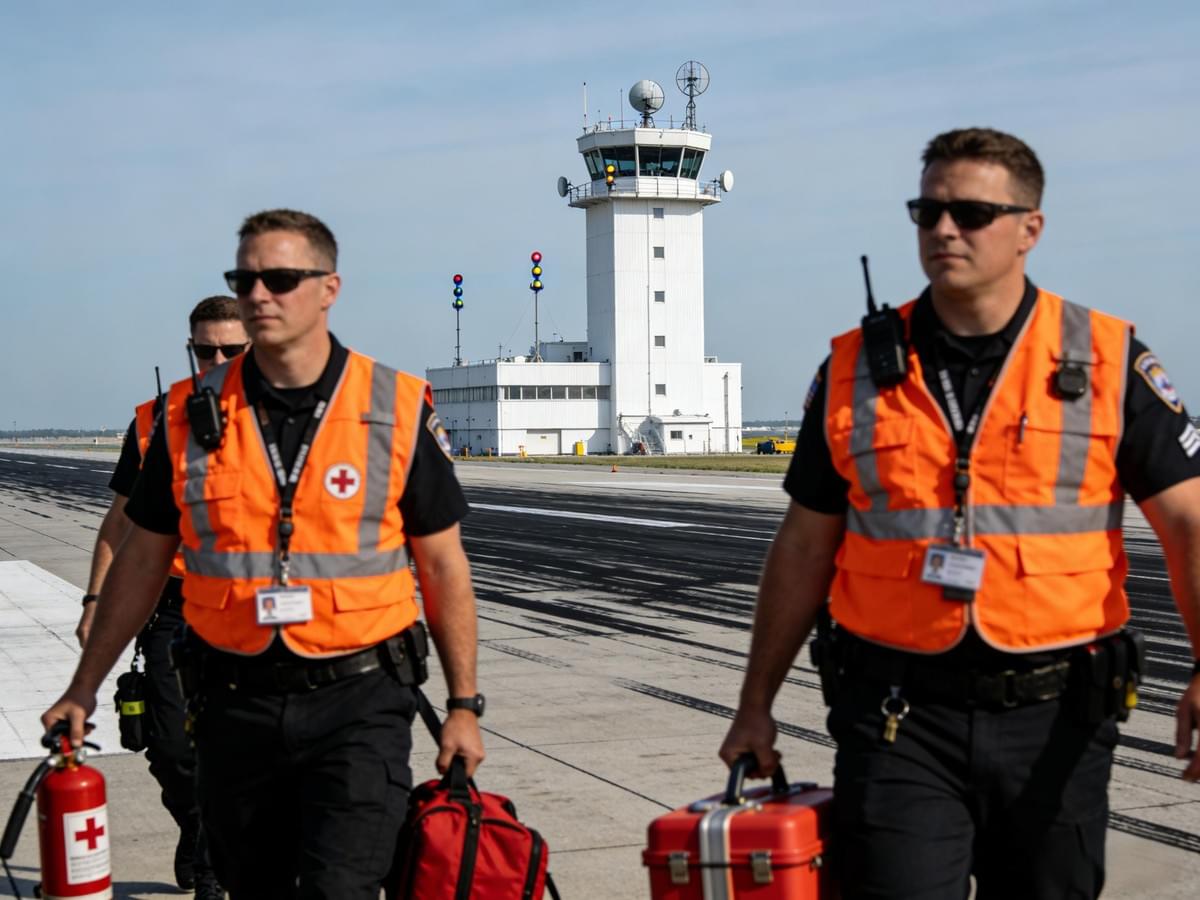
During an emergency, the Airport Control Tower becomes the central command hub. Controllers clear airspace for emergency landings, direct ground vehicles to the scene, and communicate with pilots to provide critical information. For example, if a pilot reports an engine failure shortly after takeoff, controllers will immediately clear a runway for an emergency landing, alert the fire department to stand by, and redirect other flights to avoid the area.
Haisen’s technology enhances emergency response capabilities by providing controllers with real-time video feeds and data, even in remote locations. This allows them to make better decisions during crises, ensuring that help arrives quickly and efficiently.
Training the Next Generation of Air Traffic Controllers
The success of Airport Control Towers depends on the skill and expertise of their controllers, which is why training is a top priority for the aviation industry. As technology evolves and traffic volumes grow, the demand for highly trained controllers is increasing—and the training process is becoming more sophisticated than ever before.
Simulation Training: Learning in a Risk-Free Environment
Simulation training is the cornerstone of air traffic controller education, allowing trainees to practice handling real-world scenarios without putting actual flights or passengers at risk. Haisen Global’s simulation technology is leading the way in this field, providing trainees with realistic, immersive experiences that replicate the pressure and complexity of a working Airport Control Tower.
Haisen’s simulation systems use high-fidelity graphics, real-time data, and realistic radio communication to create scenarios ranging from routine takeoffs and landings to complex emergencies. Trainees can practice coordinating with pilots, managing high traffic volumes, and responding to weather-related disruptions—all in a controlled environment. The systems also provide instant feedback, allowing trainees to learn from their mistakes and refine their skills.
Simulation training is particularly valuable for teaching teamwork and communication skills. Trainees often work in groups to manage complex scenarios, learning how to coordinate with other controllers, ground crews, and emergency services. This collaborative approach mirrors real-world operations, where effective teamwork is essential for safety and efficiency.
Scenario-Based Learning: Preparing for the Unexpected
Scenario-based learning goes beyond simulation training, immersing trainees in realistic situations that require critical thinking and problem-solving. Unlike traditional classroom learning, which focuses on theory, scenario-based learning puts trainees in the driver’s seat, challenging them to make decisions under pressure.
Examples of scenario-based learning include:
- Managing a sudden thunderstorm that disrupts landing patterns
- Coordinating an emergency landing for an aircraft with engine failure
- Handling a runway incursion by a ground vehicle
- Sequencing flights during a peak travel period with limited runway capacity
By working through these scenarios, trainees develop the ability to think quickly, prioritize tasks, and communicate clearly—skills that are essential for success in an Airport Control Tower. They also learn how to adapt to changing conditions, a key requirement in an industry where no two days are the same.
Continuous Education: Staying Ahead of the Curve
Air traffic control is a dynamic field, with new technologies, regulations, and procedures being introduced regularly. That’s why continuous education is essential for controllers to maintain their skills and stay up-to-date with the latest industry developments.
Continuous education programs include workshops, seminars, and online courses that cover topics such as new radar technology, automation tools, and regulatory changes. Controllers also participate in regular refresher training, which includes simulation exercises to reinforce their skills and prepare them for new challenges.
For controllers working with Haisen’s technology, continuous education is built into the process. Haisen provides ongoing training and support, ensuring that controllers are proficient in using the latest features of their remote tower systems, simulation tools, and automation software. This commitment to training helps airports get the most out of their investment in Haisen’s technology, while ensuring that controllers have the skills they need to keep operations safe and efficient.
The Future of Airport Control Towers: Innovations Shaping Tomorrow’s Skies
The aviation industry is on the cusp of a revolution, with new technologies and trends set to transform the way Airport Control Towers operate. From AI-powered decision-making to the integration of drones into airspace, the future of air traffic management is exciting—and full of opportunities for innovation.
AI and Machine Learning: The Next Frontier in Air Traffic Management
Artificial intelligence and machine learning are poised to become the most transformative technologies in Airport Control Towers. These tools will enable controllers to process vast amounts of data in real time, make more informed decisions, and automate increasingly complex tasks.
One of the most promising applications of AI is predictive traffic management. Machine learning algorithms will analyze historical traffic data, weather patterns, and flight schedules to predict congestion before it occurs. Controllers can then use this information to adjust flight paths, sequence flights, or redirect traffic to alternate airports—reducing delays and improving efficiency.
AI will also enhance safety by identifying potential risks that human controllers might miss. For example, AI-powered systems can analyze flight data to detect unusual patterns in aircraft performance, such as a sudden drop in altitude or an unexpected change in speed, alerting controllers to potential mechanical issues before they become emergencies.
Satellite-Based Navigation: Precision Beyond Radar
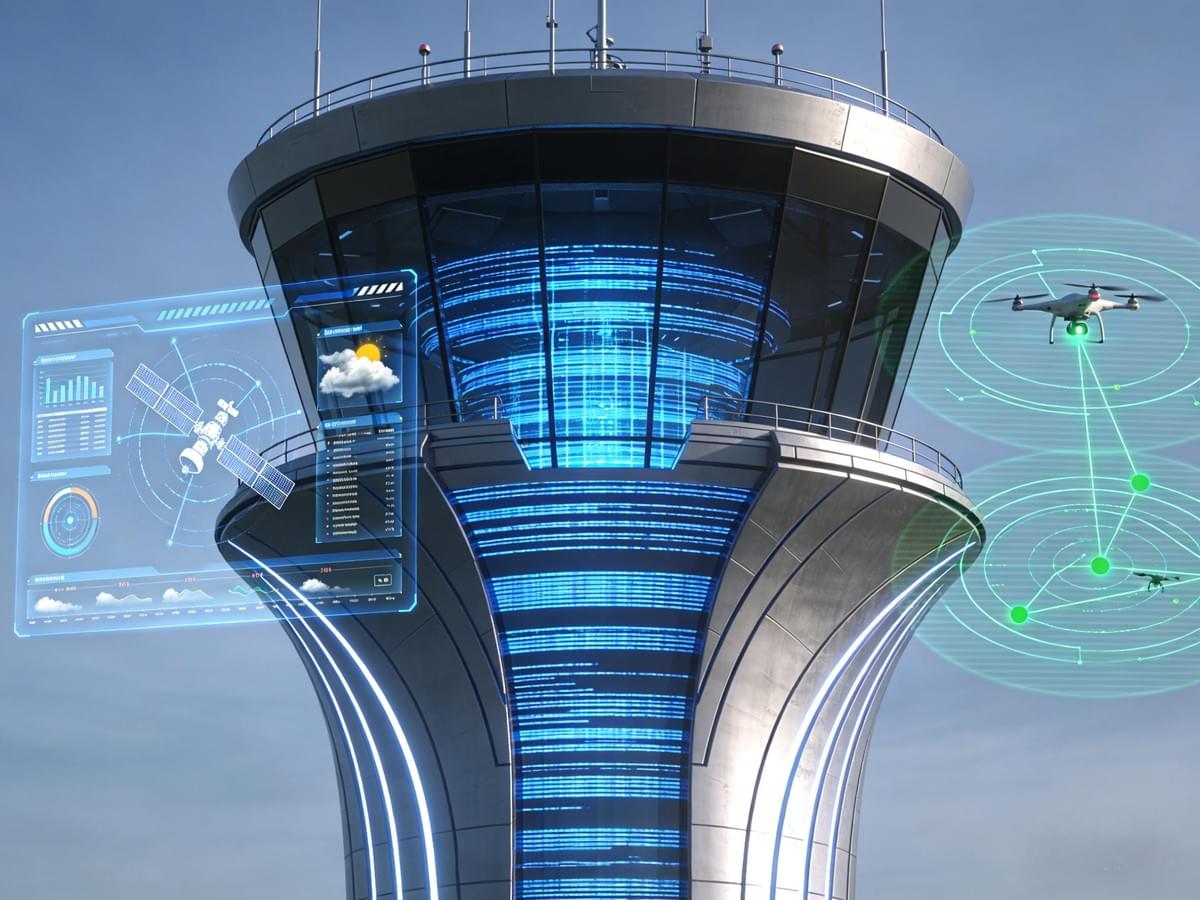
Satellite-based navigation systems, such as GPS and the European Union’s Galileo, are already changing the way aircraft navigate the skies. In the future, these systems will become even more integral to Airport Control Towers, providing more precise location data than traditional radar.
Satellite-based navigation allows pilots to fly more direct routes, reducing fuel consumption and flight times. It also enables more precise landing approaches, even in low visibility conditions, reducing the need for expensive ground-based navigation equipment. For Airport Control Towers, satellite data provides a more comprehensive view of air traffic, allowing controllers to manage flights with greater precision and efficiency.
The Rise of Drones: Integrating Unmanned Aircraft into Airspace
Drones are no longer just hobbyist toys—they’re becoming an integral part of the aviation industry, with applications ranging from package delivery to aerial photography. As drone usage grows, Airport Control Towers must adapt to integrate these unmanned aircraft into airspace without compromising the safety of manned flights.
The key to safe drone integration is robust regulation and technology. Airport Control Towers will need to implement systems that track drones in real time, ensuring they stay within designated airspace and avoid interfering with commercial flights. Haisen’s remote tower systems, with their high-definition cameras and advanced sensors, are well-suited to this task, providing controllers with clear visibility of drones operating near airports.
In the future, we can expect to see dedicated drone traffic management systems that work alongside traditional air traffic control. These systems will enable drones to fly safely and efficiently, opening up new opportunities for businesses while maintaining the highest standards of aviation safety.
Why Partner with Haisen Global for Your Airport Control Tower Needs
In a rapidly evolving aviation industry, choosing the right technology partner is critical to the success of your Airport Control Tower operations. Haisen Global has established itself as a leader in air traffic management solutions, with a proven track record of delivering innovative, reliable, and safe technology to airports around the world.
Industry-Leading Technology
Haisen’s Remote Tower System is among the most advanced in the industry, offering airports of all sizes a cost-effective, flexible solution for managing air traffic. With high-definition cameras, real-time data integration, and remote operation capabilities, Haisen’s system provides the same level of safety and efficiency as traditional towers—at a fraction of the cost.
Haisen’s simulation training tools are also second to none, providing future controllers with the realistic, immersive training they need to succeed. By partnering with Haisen, airports can ensure that their controllers are equipped with the skills and expertise to handle even the most complex scenarios.
Unmatched Expertise and Support
Haisen Global’s team of aviation experts has decades of experience in air traffic management, ensuring that every solution is tailored to the unique needs of each airport. From initial design and implementation to ongoing training and support, Haisen’s team is there every step of the way, providing guidance and assistance to ensure the success of your project.
Haisen also offers 24/7 technical support, ensuring that any issues with your remote tower system or simulation tools are resolved quickly and efficiently. This commitment to customer service has made Haisen a trusted partner for airports around the world.
A Focus on Safety and Efficiency
At Haisen Global, safety is our top priority. All of our solutions are designed to meet or exceed the highest industry safety standards, ensuring that your Airport Control Tower operations are as safe as possible. Our technology also improves efficiency, reducing delays, lowering costs, and enhancing the passenger experience.
Whether you’re a small regional airport looking to implement a remote tower system or a large hub airport seeking to upgrade your simulation training tools, Haisen Global has the solution for you. Contact us today to learn more about how we can help you elevate your Airport Control Tower operations to new heights.
Conclusion: The Airport Control Tower—Where Safety Takes Flight
The Airport Control Tower is more than just a building—it’s the heart of global aviation, where skilled professionals and cutting-edge technology come together to ensure the safe, efficient movement of millions of flights each year. From communicating with pilots and managing runways to coordinating with ground services and responding to emergencies, every aspect of the tower’s work is focused on one goal: keeping passengers and crew safe.
As the aviation industry continues to grow and evolve, Airport Control Towers will play an even more critical role in shaping the future of air travel. With innovations like Haisen’s Remote Tower System, AI-powered decision-making tools, and satellite-based navigation, these towers are becoming more capable, efficient, and safe than ever before.
For aviation stakeholders, investing in modern Airport Control Tower technology isn’t just a smart business decision—it’s a commitment to safety, reliability, and excellence. By partnering with industry leaders like Haisen Global, you can ensure that your operations are equipped to handle the challenges of today and the opportunities of tomorrow.
The skies are waiting—and with the right Airport Control Tower technology, you can soar to new heights. Contact Haisen Global today to learn how we can help you build a safer, more efficient future for your airport.