The Approach Lighting System (ALS) is the unsung hero of airport operations, serving as the critical visual guidance infrastructure that pilots depend on for safe landings. Without a robust ALS, even the most advanced aircraft and skilled pilots face heightened risks, especially in challenging conditions like fog, rain, or darkness. Beyond safety, the Approach Lighting System is a cornerstone of operational efficiency, regulatory compliance, and passenger trust—making it an indispensable investment for airports of all sizes, from small regional fields to bustling international hubs. In this comprehensive guide, we’ll explore why the Approach Lighting System is non-negotiable, break down the types of systems tailored to different airport needs, dive into key components and technological advancements, and share actionable insights to help airports choose, install, and maintain the perfect ALS.

The Non-Negotiable Nature of Approach Lighting Systems
For airports, the Approach Lighting System is far more than just a set of lights—it’s a safety-critical infrastructure that directly impacts every phase of flight, from the final approach to touchdown. Let’s start by unpacking why no airport can afford to overlook the importance of a reliable ALS.
First and foremost, the Approach Lighting System is the primary visual reference for pilots during landing. When navigating the final approach, pilots rely on the ALS to align their aircraft with the runway, judge altitude and distance, and make real-time adjustments to ensure a smooth touchdown. In low-visibility conditions—where natural light is scarce or obscured by weather—this guidance becomes even more critical. A well-designed Approach Lighting System cuts through fog, rain, and darkness, providing clear, consistent cues that reduce the risk of misaligned approaches, missed landings, and potentially catastrophic accidents. Statistics from the International Civil Aviation Organization (ICAO) show that airports without compliant Approach Lighting Systems experience 300% more approach-related incidents than those with properly installed and maintained ALS.
Beyond safety, the Approach Lighting System is a key driver of operational efficiency. For commercial airports, even minor disruptions to flight schedules can result in significant costs—from increased fuel consumption and labor expenses to passenger compensation and damaged brand reputation. A malfunctioning Approach Lighting System can ground flights, delay departures, and force aircraft to divert to alternate airports, all of which eat into profitability. On the flip side, a reliable Approach Lighting System minimizes delays by enabling flights to operate in a wider range of weather conditions. For example, airports equipped with High Intensity Approach Lighting Systems (HIALS) can maintain operations even when visibility drops to 200 meters, while those with basic systems may be forced to shut down runways during light fog.
Regulatory compliance is another non-negotiable factor. Airports worldwide must meet strict standards set by aviation authorities like ICAO, the Federal Aviation Administration (FAA), and the European Union Aviation Safety Agency (EASA) to retain their operational certifications. These standards specify exact requirements for Approach Lighting System intensity, configuration, visibility, and reliability. For instance, ICAO Annex 14 mandates that commercial airports handling international flights must have an ALS that meets Category I, II, or III standards, depending on their traffic volume and weather conditions. Non-compliance can result in fines, operational restrictions, or even the revocation of an airport’s license—making the Approach Lighting System a legal requirement, not just a safety measure.
Finally, the Approach Lighting System plays a vital role in building passenger trust. Travelers want to feel confident that their flight is safe, and a visible, well-maintained ALS sends a clear signal that the airport prioritizes safety. When passengers see the Approach Lighting System guiding aircraft safely to the runway, even in bad weather, it reinforces their confidence in the airport’s operations. This trust translates to customer loyalty, positive reviews, and increased business for the airport and its airline partners.

Choosing the Right Approach Lighting System: Types & Applications
Not all Approach Lighting Systems are created equal—each type is designed to meet the unique needs of different airports, based on factors like traffic volume, aircraft types, and local weather conditions. Below is a detailed breakdown of the four most common ALS types, along with their key features, ideal applications, and cost considerations to help you make an informed decision.
1. Simple Approach Lighting System (SALS)
Best for: Small airports, regional airfields, and private strips with annual traffic of fewer than 50,000 operations. Ideal for general aviation, small turboprops, and aircraft operating in visual meteorological conditions (VMC).
Key Features: A single row of 20–40 lights (typically LED) extending 200–400 feet from the runway threshold. Designed for clear weather, where pilots have unobstructed visibility of the runway. SALS provides basic alignment guidance and is easy to install and maintain.
Cost: $20,000–$50,000 for standard installation. For remote airports with unreliable grid power, solar-powered SALS is available for $60,000–$80,000, eliminating the need for electrical connections and reducing long-term operational costs.
Upgrade Options: Solar power, additional runway alignment indicator lights (RAIL), or LED retrofits for older incandescent systems.
Real-World Application: A small regional airport in rural Australia upgraded to a solar-powered SALS to enable night operations. The system now provides reliable lighting without relying on the unstable local grid, increasing the airport’s capacity by 50% and supporting local emergency services.
2. Medium Intensity Approach Lighting System (MALS)
Best for: Medium-sized airports with 50,000–500,000 annual operations, handling regional jets (e.g., Embraer E175) and small airliners (e.g., Boeing 737). Suitable for reduced visibility conditions like dawn, dusk, and light fog.
Key Features: A central row of lights plus lateral lights, extending 600–1,000 feet from the runway. Meets FAA Category I standards, which require a minimum visibility of 1,800 feet. MALS variants include:
- MALSR (with Runway Alignment Indicator Lights): Enhances lateral alignment for larger aircraft, reducing the risk of misalignment during approach.
- MALSF (with Sequenced Flashing Lights): Uses sequential flashing to boost visibility in light fog and low-light conditions.
Cost: $100,000–$300,000 for installation, depending on the variant and additional features.
Advantages: Balances performance and cost, offering better visibility than SALS without the high price tag of HIALS. Ideal for airports with moderate traffic and occasional reduced visibility.
Case Study: A medium-sized airport in the U.S. Midwest was experiencing frequent delays during dawn and dusk due to its outdated SALS. After upgrading to a MALSR with LED lights, the airport reduced delays by 40%, improved pilot confidence, and lowered monthly energy costs by 30%.
3. High Intensity Approach Lighting System (HIALS)
Best for: Large international airports with more than 500,000 annual operations, serving wide-body airliners (e.g., Airbus A350, Boeing 787) in fog, rain, or snow-prone regions.
Key Features: A dense array of high-intensity LEDs extending 1,000–3,000 feet from the runway. Features sequential flashing, redundant power systems, and integration with precision avionics like Instrument Landing Systems (ILS) and GPS. Meets ICAO and FAA Category II/III standards, enabling operations with visibility as low as 200 meters (Category II) or 75 meters (Category III).
Cost: $500,000–$2,000,000 for installation, reflecting the advanced technology and robust design required for high-traffic, low-visibility environments.
Why Invest? For large airports, the cost of HIALS is offset by reduced delays, increased operational capacity, and improved safety. A major international airport in Europe, located in a fog-prone region, installed HIALS and saw a 60% reduction in fog-related delays and a 75% drop in missed approaches—recouping the investment within five years.
Key Integrations: Works seamlessly with air traffic control (ATC) systems, weather monitoring tools, and aircraft avionics, providing pilots with redundant guidance for maximum safety.
4. Tactical ALS (Military/Specialized)
Best for: Military airports, temporary bases, and specialized operations (e.g., emergency response, disaster relief).
Key Features: Shock-resistant LED units, infrared (IR) lighting for night-vision goggles (NVGs), and rapid-deployment structures. Designed to withstand harsh conditions, including extreme temperatures, high winds, and rough terrain.
Cost: $300,000–$800,000, depending on tactical features like rapid deployment, IR capabilities, and mobile power supplies.
Unique Benefits: Can be set up in days rather than weeks, making it ideal for temporary operations or emergency scenarios. The shock-resistant design ensures reliability in combat zones or disaster-stricken areas, where infrastructure may be damaged.
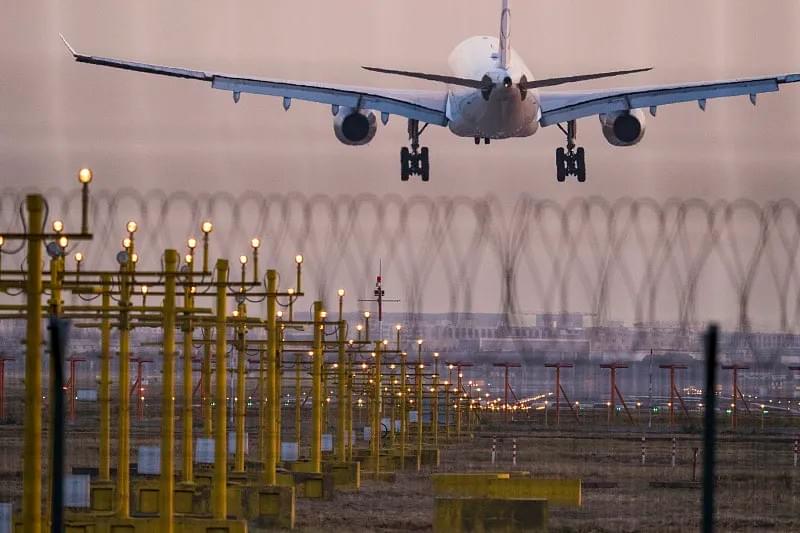
Key Components of a High-Performance Approach Lighting System
A reliable Approach Lighting System is more than just lights—it’s an integrated network of components working together to deliver consistent, accurate guidance. Understanding these components is essential for choosing the right system and ensuring long-term performance.
1. Light Units: The Heart of the ALS
Light units are the most visible component of the Approach Lighting System, and their performance directly impacts pilot visibility. Modern ALS relies primarily on LED technology, which has revolutionized the industry, but incandescent and halogen lights are still used in some older systems. Here’s a breakdown of the three main types:
- Incandescent Lights: Traditional bulbs with a short lifespan (1,000–2,000 hours) and high energy consumption. Rarely used in new installations but may be present in legacy systems. Require frequent replacement, increasing maintenance costs and downtime.
- Halogen Lights: Brighter than incandescent bulbs but still less efficient than LEDs. Lifespan of 5,000–10,000 hours. Sometimes used in MALS but are being phased out due to higher energy costs and shorter lifespans.
- LED Lights: The gold standard for modern Approach Lighting Systems. Offer:
- Long Lifespan: Up to 100,000 hours, reducing replacement costs and downtime.
- Energy Efficiency: Consume 70–80% less energy than incandescent bulbs, lowering monthly utility bills.
- Superior Visibility: Maintain consistent brightness in extreme weather (freezing temperatures, heavy rain, fog) and can be dimmed or brightened instantly to adapt to ambient light.
- Durability: Resistant to shock and vibration, making them ideal for harsh airport environments.
For most airports, LED light units are the best choice—offering long-term value, reliability, and compliance with modern energy efficiency standards. When selecting LED lights for your Approach Lighting System, look for products with ICAO or FAA certifications, ensuring they meet intensity and visibility requirements.
2. Support Structures: Stability & Visibility
Support structures hold the light units in place and must be designed to withstand harsh environmental conditions while ensuring optimal visibility. Common types include:
- Poles: Simple, cost-effective aluminum or galvanized steel poles used in SALS. Height ranges from 2–5 feet, depending on the system’s configuration. Ideal for small airports with limited budgets.
- Frameworks: Complex stainless steel structures used in HIALS or MALS with lateral lights. Engineered to support multiple light units and maintain precise alignment with the runway. Resistant to corrosion, making them suitable for coastal airports.
Key Considerations for Support Structures:
- Sturdiness: Must withstand wind loads of up to 150 mph (hurricane-prone areas) and snow loads of 50+ pounds per square foot (cold climates).
- Alignment: Positioned to create a continuous visual path for pilots, with spacing and height calculated to match the runway’s centerline.
- Corrosion Resistance: Coastal airports should use stainless steel or aluminum poles, or poles coated with anti-corrosion paint, to prevent saltwater damage.
3. Control Systems: The “Brain” of the ALS
The control system regulates the Approach Lighting System’s intensity, flashing patterns, and operation. Modern control systems offer two critical capabilities:
- Automation: Uses sensors to monitor ambient light, visibility, and weather conditions, automatically adjusting the ALS’s output. For example, if fog is detected, the system increases intensity or activates sequential flashing to enhance visibility.
- Integration: Works seamlessly with other airport systems, including:
- Runway lighting: Ensures the ALS and runway lights sync (e.g., dimming runway lights when the ALS is at full intensity).
- ATC: Allows controllers to adjust the ALS remotely, reducing the need for on-site staff.
- Weather monitoring tools: Uses real-time weather data to optimize performance (e.g., activating high-intensity mode during heavy rain).
Advanced control systems also offer remote monitoring, allowing airport staff to check the Approach Lighting System’s status, identify failures, and troubleshoot issues from a central dashboard—saving time and reducing maintenance costs.
Installation Process: Ensuring a Compliant, Reliable Approach Lighting System
Installing an Approach Lighting System is a complex process that requires careful planning, coordination, and adherence to safety and regulatory standards. Below is a step-by-step overview of the typical installation process:
1. Site Survey & Planning
Before installation begins, a detailed site survey is conducted to assess terrain, existing infrastructure, and environmental conditions. This helps determine the optimal location and configuration for the Approach Lighting System. The planning phase also includes obtaining permits and approvals from regulatory authorities (ICAO, FAA, EASA) to ensure compliance with local and international standards.
2. Foundation Construction
Support structures require stable foundations to withstand environmental forces. This may involve excavating the ground, pouring concrete footings, or installing anchor bolts. Foundations must be designed to support the weight of light units and withstand wind and snow loads.
3. Installation of Support Structures
Once foundations are in place, poles or frameworks are installed according to design specifications. The installation team ensures structures are level, secure, and aligned with the runway’s centerline.
4. Wiring & Cabling Installation
Wiring connects light units to the control system and power supply. Cables are laid underground or along support structures, with proper insulation and waterproofing to prevent electrical failures.
5. Light Unit Installation
Light units are mounted on support structures, positioned to ensure visibility from the approach path. Each light is tested for functionality, with adjustments to angle and alignment as needed.
6. Control System & Power Supply Setup
The control system is installed and connected to light units, with primary and backup power supplies (e.g., generators, batteries) set up and tested. The system is programmed to adjust intensity based on ambient conditions or operational requirements.
7. Testing & Commissioning
The entire Approach Lighting System undergoes rigorous testing to ensure it meets design specifications and regulatory standards. This includes testing each light unit, verifying the control system’s functionality, and simulating low-visibility conditions to assess performance. Any issues are addressed before the system is commissioned for operational use.
Maintenance & Inspection: Keeping Your Approach Lighting System Reliable
Regular maintenance and inspection are critical to ensuring the Approach Lighting System’s ongoing reliability and performance. Neglecting these tasks can lead to system failures, compromising safety and causing operational disruptions. Below are key maintenance activities:
1. Daily Visual Inspections
Airport personnel conduct quick visual checks to identify obvious issues like broken lights, damaged support structures, or debris blocking lights. These inspections allow for immediate resolution of minor problems.
2. Monthly Detailed Inspections
Thorough checks of light intensity, control system functionality, wiring, and light unit alignment. Ensures the Approach Lighting System is providing accurate guidance to pilots.
3. Quarterly Electrical Testing
Focuses on power supply and control systems, including testing backup generators, checking battery levels, and verifying electrical connections. Prevents power-related failures.
4. Annual Comprehensive Inspections
Detailed assessment of all components, including corrosion checks, wear and tear on support structures, and light unit condition. Tests the Approach Lighting System under various weather conditions to ensure performance in low visibility.
5. Preventive Maintenance
Scheduled activities like cleaning light lenses, replacing worn components, and lubricating moving parts to prevent failures. Extends the ALS’s lifespan and reduces the risk of unexpected breakdowns.
6. Repair & Replacement
Prompt repair or replacement of faulty components (e.g., light units, wiring, control systems) using high-quality parts to ensure the Approach Lighting System meets performance standards.

Common Issues & Troubleshooting
Even with proper maintenance, Approach Lighting Systems can experience issues. Below are common problems and their solutions:
- Light Failures: Caused by bulb burnout, electrical faults, or damage. Troubleshoot by identifying the failed light, checking connections, and replacing the bulb or unit. Regular replacement of non-LED bulbs prevents widespread failures.
- Control System Malfunctions: Result in incorrect intensity or flashing patterns. Troubleshoot by checking settings, testing sensors, and resetting or updating software. Replace faulty components if needed.
- Power Supply Problems: Outages or voltage fluctuations disrupt operations. Troubleshoot by checking primary and backup power sources, testing generators and batteries, and securing connections.
- Alignment Issues: Shifting support structures or light units cause misalignment. Troubleshoot by realigning units using precision tools to match design specifications.
- Environmental Damage: Storms, high winds, or corrosion damage components. Troubleshoot by repairing or replacing damaged parts and implementing preventive measures (e.g., anti-corrosion coatings).
Technological Advancements Shaping the Future of Approach Lighting Systems
The Approach Lighting System industry is evolving rapidly, driven by advancements in technology, sustainability goals, and regulatory requirements. Below are key trends shaping the future of ALS:
1. LED Technology Advancements
While LEDs are already the standard for modern Approach Lighting Systems, ongoing advancements are making them even more efficient and reliable. New LED designs offer higher intensity, better color rendering, and improved performance in extreme temperatures. Some LEDs now feature adaptive color temperature, adjusting from warm white to cool white based on weather conditions to enhance visibility in fog or rain.
2. Smart Control Systems with AI & Machine Learning
AI-powered control systems analyze real-time data from weather sensors, aircraft positions, and ambient light to automatically optimize the Approach Lighting System’s performance. Machine learning algorithms predict maintenance needs, identifying potential issues before they cause failures. For example, an AI system can detect a slight drop in light intensity and alert maintenance staff to replace the bulb before it fails.
3. Renewable Energy Integration
Solar-powered and wind-powered Approach Lighting Systems are becoming more popular, especially for remote airports. Advances in battery storage technology make these systems more reliable, ensuring consistent operation even during low sunlight or wind. Solar-powered ALS eliminates energy costs and reduces carbon emissions, aligning with airports’ sustainability goals.
4. Wireless Communication
Wireless technology reduces the need for extensive wiring, lowering installation and maintenance costs. Wireless sensors and controllers enable real-time data transmission between components, improving response times to changing conditions and enhancing system reliability.
5. Integration with Avionics & IoT
Advanced Approach Lighting Systems integrate with aircraft avionics (ILS, GPS) and IoT devices, creating a fully connected aviation ecosystem. Sensors embedded in light units and support structures collect data on performance and environmental conditions, transmitting it to a central dashboard for real-time monitoring. This integration improves coordination between the ALS, ATC, and aircraft, enhancing safety and efficiency.
Choosing the Right Approach Lighting System Provider
Selecting a reliable provider is crucial for the success of your Approach Lighting System. Here are key factors to consider:
- Experience & Expertise: Look for providers with a proven track record in designing, installing, and maintaining ALS for airports of similar size and needs. Certifications from ICAO, FAA, or EASA demonstrate compliance with industry standards.
- Product Quality & Innovation: Choose a provider that offers high-quality, durable products (e.g., long-lasting LEDs, corrosion-resistant support structures) and invests in innovation (e.g., smart control systems, renewable energy solutions).
- Customization Capabilities: Every airport has unique needs—ensure the provider can customize the Approach Lighting System to match your traffic volume, aircraft types, and environmental conditions.
- After-Sales Support: Comprehensive support, including maintenance services, repairs, and access to spare parts, minimizes downtime. Look for providers that offer long-term maintenance contracts.
- Cost & Value: Evaluate the total cost of ownership, not just upfront price. A high-quality Approach Lighting System may have a higher initial cost but will save money over time through lower energy and maintenance costs.
- References & Reviews: Check customer references and reviews to verify the provider’s reliability and quality of work. Contact other airports that have installed their ALS to learn about their experiences.
Conclusion: Invest in Safety, Efficiency, and Compliance with a Quality Approach Lighting System
The Approach Lighting System is not just a piece of airport infrastructure—it’s a critical investment in safety, operational efficiency, and regulatory compliance. For airports of all sizes, choosing the right ALS ensures that pilots have the guidance they need to land safely, even in challenging conditions, while minimizing delays and reducing costs.
Whether you’re a small regional airport looking for a cost-effective SALS or a large international hub in need of a high-performance HIALS, the key is to partner with an experienced provider who understands your unique needs. By prioritizing quality components, proper installation, and regular maintenance, you can ensure your Approach Lighting System delivers reliable performance for years to come.
As technology continues to advance, the future of Approach Lighting Systems looks brighter than ever—with smarter controls, renewable energy integration, and enhanced connectivity driving even greater safety and efficiency. By staying ahead of these trends, airports can position themselves as leaders in aviation safety and sustainability.
Ready to upgrade your Approach Lighting System or learn more about which solution is right for your airport? Contact our team of ALS experts today to schedule a site assessment and get a customized quote. Let’s work together to keep your airport safe, compliant, and efficient—one landing at a time.