In the dynamic landscape of global aviation, Surface Movement Radar (SMR) stands as the unrivaled backbone of modern airport operations, delivering real-time situational awareness that redefines safety and efficiency for runways, taxiways, and aprons across every continent. Every major airport, from the busiest hubs in North America and Asia to the rapidly expanding aviation centers in the Middle East, relies on SMR technology to monitor aircraft, ground vehicles, and potential hazards with unparalleled precision, making it an indispensable investment for seamless air traffic management.

What Is Surface Movement Radar (SMR)?
At its core, Surface Movement Radar (SMR) is a specialized surveillance system engineered to track all movement on an airport’s surface, including aircraft, service vehicles, baggage carts, and even small obstacles like debris or wildlife. Unlike traditional visual monitoring, which is limited by weather, light, and human error, SMR uses microwave-frequency electromagnetic waves to detect and classify targets, calculating their exact position, speed, and direction by analyzing reflected signals. This technical foundation allows SMR to provide continuous, unbroken coverage of critical airport zones—runways, taxiways, aprons, and perimeters—creating a comprehensive digital map of surface activity that air traffic controllers and airport operators can access in real time.
SMR technology is not a one-size-fits-all solution; it is a modular system tailored to the unique needs of each airport, from small regional airfields to international mega-hubs handling thousands of flights daily. Its adaptability, combined with its ability to integrate with existing airport systems, makes it a cornerstone of modern air traffic management (ATM) strategies, aligning with the latest standards set by aviation authorities such as the FAA, ICAO, and EASA. For airport operators in fast-growing markets like the Middle East and Southeast Asia, where infrastructure expansion is a top priority, SMR is a strategic investment that future-proofs operations against rising traffic and evolving safety requirements.
The Technical Building Blocks of a High-Performance SMR System
A state-of-the-art Surface Movement Radar (SMR) system is composed of four interconnected core components, each playing a critical role in delivering accurate, real-time data for airport operations. These components are engineered to work in harmony, with advanced design features that enhance detection capabilities, reduce interference, and ensure reliability in the harshest environmental conditions—key considerations for airports in regions with extreme weather, from the freezing temperatures of Northern Europe to the high humidity of Southeast Asia.
- Antenna Array: The frontline of the SMR system, the antenna array is designed for wide-angle coverage (up to 360° for many advanced models) of the entire airport surface. It can be a single high-power antenna or a network of smaller, strategically placed antennas that eliminate blind spots in complex airport layouts, such as those with multiple runways or curved taxiways. The antenna’s ability to transmit and receive microwave waves with minimal signal loss is critical for detecting small targets—such as ground support equipment or wildlife—at distances of up to 1km, a standard performance metric for modern SMR systems.
- Transmitter and Receiver: The transmitter generates the high-frequency electromagnetic waves that the antenna emits, while the receiver captures the reflected signals from airport surface targets. These components are calibrated to operate in the microwave frequency band (typically L-band, S-band, or C-band), which offers optimal atmospheric penetration, ensuring that rain, fog, snow, and dust do not compromise detection accuracy. Advanced transmitters and receivers use low-noise technology to filter out background interference, such as radio signals or airport infrastructure, ensuring that only relevant target data is processed.
- Signal Processor: The "brain" of the Surface Movement Radar (SMR) system, the signal processor is where raw reflected data is transformed into actionable intelligence. Equipped with complex algorithms—including Doppler processing and AI-driven pattern recognition—this component filters out noise, classifies targets (e.g., distinguishing a commercial aircraft from a baggage truck), and calculates real-time metrics such as speed and direction. Modern signal processors can track hundreds of targets simultaneously, a capability that is essential for busy airports where dozens of aircraft and vehicles are in constant motion. For airports integrating SMR with other systems, the signal processor also enables seamless data sharing, converting radar data into a format compatible with airport operations databases (AODB) and air traffic management (ATM) platforms.
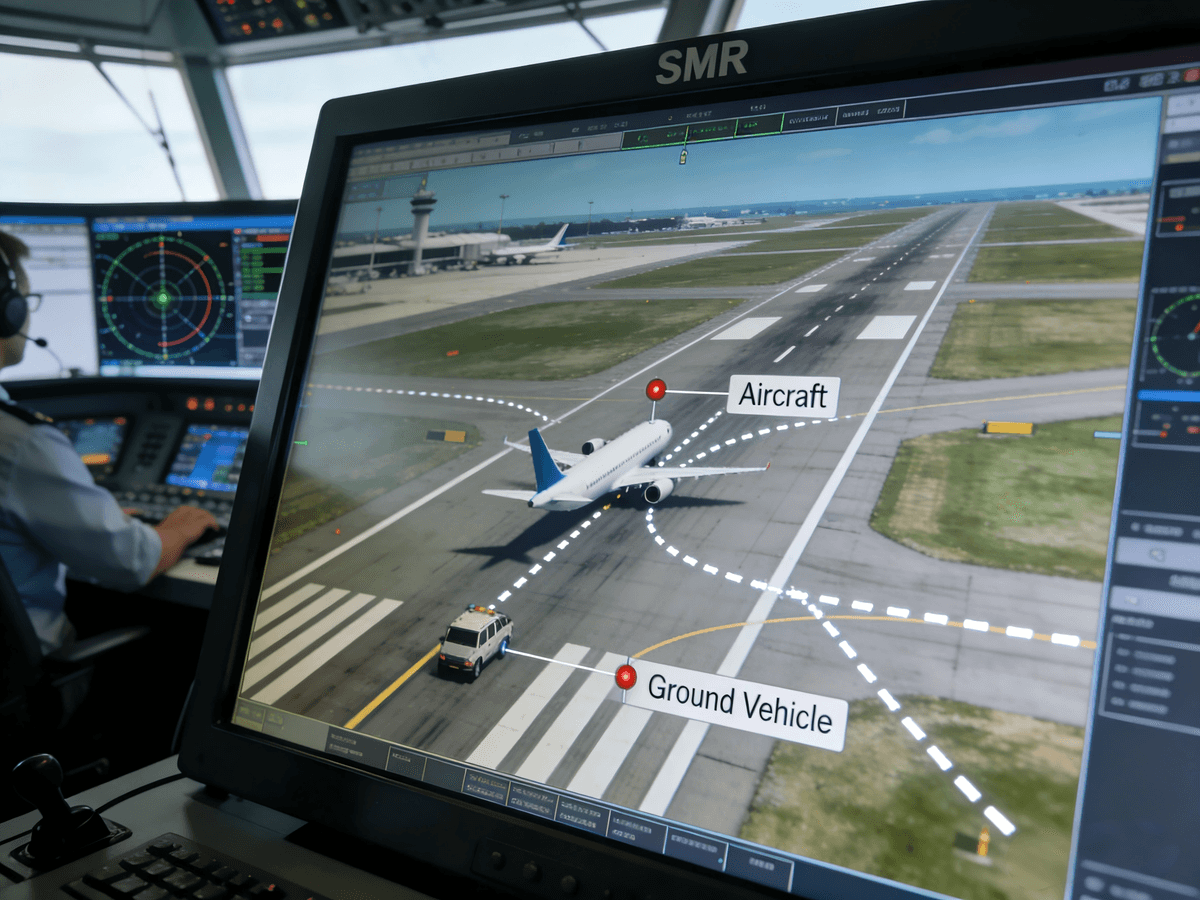
- Display and Control Unit: This component translates processed SMR data into a user-friendly interface for air traffic controllers and airport operators, typically a high-resolution graphical map of the airport surface with overlaid target icons. The display is customizable, allowing users to zoom in on critical zones (e.g., runway hold-short lines) or filter target types, while the control unit enables system configuration—such as adjusting detection sensitivity or setting up alert parameters for potential hazards (e.g., a vehicle entering an active runway). Many modern display units include visual and aural alarms that notify controllers of immediate risks, such as runway incursions, giving them precious seconds to respond and prevent accidents.
Every component of an SMR system is built to meet the strictest aviation industry standards, with rigorous testing to ensure durability and performance in continuous 24/7 operation. For airport operators, this means minimal downtime, lower maintenance costs, and a system that delivers consistent results year after year—an essential factor for maximizing operational efficiency and return on investment.
Key Features of SMR: Why It’s Non-Negotiable for Modern Airports
The value of Surface Movement Radar (SMR) lies in its unique set of features, each designed to address the most pressing challenges of airport surface operations. These features work together to create a surveillance solution that is not just a tool for monitoring, but a catalyst for safer, faster, and more cost-effective airport management—attributes that resonate with airport operators across North America, the Middle East, and Asia, where operational excellence is a competitive advantage.
High-Resolution Detection
SMR’s high-resolution detection capability is its most defining feature, allowing it to identify and track even small targets with pinpoint accuracy. This means distinguishing between a large commercial jet and a small ground service vehicle, or detecting a piece of debris on a runway that could cause catastrophic damage to an aircraft’s landing gear. For airports with narrow taxiways or closely spaced runways—common in dense urban hubs like Hong Kong, New York, and Dubai—this level of precision is critical for preventing collisions and ensuring smooth traffic flow. High-resolution detection also enables SMR to classify targets, giving controllers vital context about what they are monitoring and allowing them to make faster, more informed decisions.
Real-Time Monitoring & Multitarget Tracking
In the fast-paced world of airport operations, delays of even a few seconds can have a cascading effect on flight schedules. Surface Movement Radar (SMR) eliminates this risk with real-time monitoring, updating target data every fraction of a second to reflect the latest surface activity. Combined with multitarget tracking—capable of monitoring hundreds of aircraft and vehicles simultaneously—this feature allows controllers to manage complex operations with ease, such as coordinating multiple aircraft taxiing to runways or ground vehicles servicing aircraft on the apron. For busy airports handling over 1,000 flights a day, real-time multitarget tracking is the difference between a smooth operation and costly delays, reducing taxi times and increasing airport capacity by optimizing traffic flow.
All-Weather, 24/7 Operation
One of the greatest limitations of visual monitoring is its vulnerability to adverse weather conditions—fog, rain, snow, sandstorms, and even darkness can render runways and taxiways invisible to human eyes. Surface Movement Radar (SMR) overcomes this challenge by relying on electromagnetic waves, which are unaffected by weather or light, delivering consistent performance 24 hours a day, 365 days a year. This all-weather capability is a game-changer for airports in regions with extreme climate conditions: for example, SMR ensures that airports in Canada can operate during blizzards, those in the Middle East during sandstorms, and those in the UK during dense fog, minimizing flight cancellations and delays. It also eliminates the need for costly weather-dependent backup systems, making SMR a cost-effective solution for global airport operators.
Seamless Integration with Airport Systems
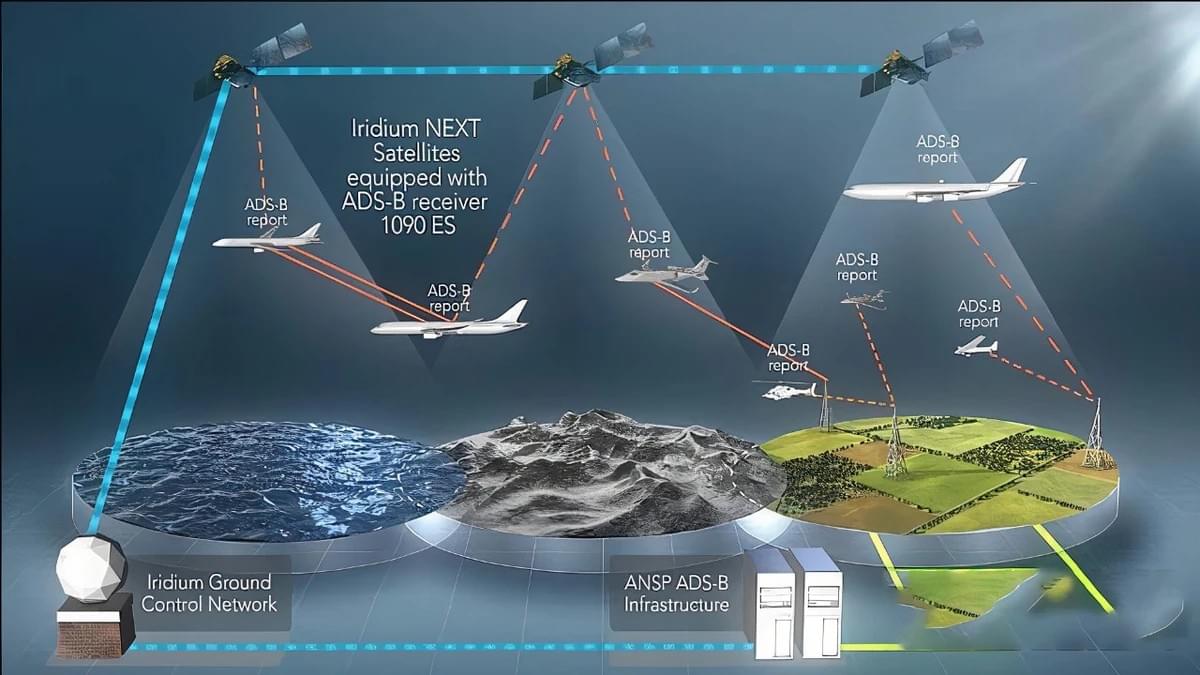
No technology operates in a vacuum, and Surface Movement Radar (SMR) is designed to integrate seamlessly with the existing systems that power modern airport operations, including Airport Operations Databases (AODB), Air Traffic Management (ATM) platforms, Ground Control Systems (GCS), and Automatic Dependent Surveillance-Broadcast (ADS-B) systems. This integration enables real-time data sharing across all airport departments, creating a unified operational view that eliminates silos and improves coordination. For example, integrating SMR with AODB allows controllers to access flight schedule data alongside surface movement information, giving them a complete picture of an aircraft’s journey from gate to runway. Integrating with ADS-B further enhances detection capabilities, combining radar data with satellite-based surveillance for even greater accuracy. This interoperability is a key requirement for aviation authorities worldwide, making SMR a compliant choice for airports looking to meet global safety standards.
The Transformative Benefits of SMR for Airports
Investing in Surface Movement Radar (SMR) is not just a technical upgrade—it is a strategic decision that delivers tangible, far-reaching benefits for airport operators, airlines, and passengers alike. From enhancing safety and reducing operational costs to complying with regulations and improving the passenger experience, SMR transforms every aspect of airport surface operations, making it one of the most impactful technologies in modern aviation. These benefits are particularly significant for fast-growing aviation markets in the Middle East and Asia, where airports are expanding to meet rising demand and competing to become global aviation hubs.
Unmatched Safety: The Top Priority
Safety is the cornerstone of aviation, and Surface Movement Radar (SMR) is the most effective tool available for reducing the risk of runway incursions, collisions, and other surface-related incidents. Runway incursions—one of the most dangerous aviation hazards—are significantly reduced with SMR, as the system detects unauthorized entry onto active runways in real time and triggers immediate alerts for controllers. Studies have shown that airports with SMR systems experience a 70% or greater reduction in safety-related incidents, a statistic that underscores the technology’s life-saving impact. SMR also detects potential hazards such as wildlife, debris, or broken-down vehicles on critical surfaces, allowing teams to remove them before they cause accidents. For airport operators, this means a safer working environment for ground personnel, reduced liability, and a reputation as a secure aviation hub—an essential factor for attracting airlines and passengers.
Maximized Operational Efficiency
Efficiency is directly tied to profitability in the aviation industry, and Surface Movement Radar (SMR) is a powerful driver of operational efficiency. By providing real-time visibility of surface activity, SMR allows controllers to optimize taxi routes, reduce waiting times for takeoff and landing, and minimize congestion on aprons and taxiways. This results in shorter taxi times for aircraft, which translates to lower fuel consumption for airlines—an important cost savings in an industry where fuel is one of the largest expenses. For airports, improved efficiency means increased capacity: SMR enables airports to handle more flights daily without compromising safety, a critical advantage as global air traffic continues to grow. Reduced delays also mean a better passenger experience, with fewer missed connections and on-time departures becoming the norm.
Substantial Cost Savings
The financial benefits of Surface Movement Radar (SMR) extend far beyond reduced fuel costs. By minimizing safety-related incidents, SMR eliminates the costly consequences of accidents, such as aircraft damage, passenger compensation, and operational disruptions. A single runway incident can cost an airport millions of dollars in repairs, fines, and lost revenue—costs that are virtually eliminated with SMR. The technology also reduces maintenance costs for airport infrastructure, as smoother traffic flow minimizes wear and tear on runways and taxiways. Additionally, SMR’s all-weather operation reduces flight cancellations and delays, which are a major source of lost revenue for airlines and airports. For small and medium-sized airports, the cost savings from SMR are even more significant, as the technology eliminates the need for additional human monitoring staff and weather-dependent backup systems. Over time, the return on investment (ROI) for SMR is substantial, with most airports recouping their investment within a few years of implementation.
Global Regulatory Compliance
Aviation is a highly regulated industry, with international and regional authorities—including the FAA, ICAO, EASA, and GCAA (General Civil Aviation Authority) in the Middle East—setting strict safety standards for airport surface monitoring. Surface Movement Radar (SMR) is fully compliant with these regulations, making it a mandatory investment for airports looking to maintain their operating licenses and avoid costly penalties. Many authorities now require SMR for airports handling a certain volume of traffic, and compliance with these standards is also a prerequisite for attracting international airlines and connecting flights. For airports in emerging markets, SMR compliance is a key step in becoming a recognized global aviation hub, opening doors to increased international traffic and economic growth.
Enhanced Passenger Experience
While the direct benefits of Surface Movement Radar (SMR) are felt by airport operators and airlines, the indirect benefits for passengers are equally important. Reduced delays, on-time departures, and fewer missed connections all contribute to a smoother, more stress-free travel experience—an essential factor for passenger satisfaction and loyalty. In an era where passengers have high expectations for air travel, airports that deliver consistent on-time performance stand out from the competition, attracting more travelers and driving revenue growth. SMR also improves safety for passengers on the ground, ensuring that their journey from gate to runway is as secure as possible. For airports, this means a stronger brand reputation and a competitive edge in the global aviation market.
Real-World Applications of SMR Across Airport Operations
Surface Movement Radar (SMR) is a versatile technology with a wide range of applications across every aspect of airport surface operations, from day-to-day runway monitoring to emergency response and security. Its adaptability makes it a valuable tool for all airport departments, from air traffic control and ground operations to security and emergency services, creating a unified approach to airport management. Below are the key real-world applications of SMR, each demonstrating how the technology addresses critical operational challenges for airports of all sizes.
Runway and Taxiway Monitoring: The Primary Application
The most common and critical application of Surface Movement Radar (SMR) is continuous monitoring of runways and taxiways— the lifelines of any airport. SMR provides unbroken coverage of these surfaces, ensuring that they are clear of all obstacles before an aircraft takes off or lands. It detects any unauthorized entry, such as a ground vehicle or aircraft straying onto an active runway, and triggers immediate alerts for air traffic controllers, who can then take corrective action to avoid a collision. SMR also monitors the speed and direction of aircraft taxiing to and from runways, allowing controllers to optimize traffic flow and reduce congestion. For airports with multiple runways, SMR is essential for coordinating simultaneous takeoffs and landings, a complex operation that requires precise real-time data.
Apron Management: Streamlining Gate Operations
The apron is the busiest area of any airport, with aircraft, ground support vehicles, baggage carts, and fuel trucks all in constant motion. Surface Movement Radar (SMR) transforms apron management by providing real-time visibility of all activity, allowing operators to optimize parking stand allocation, coordinate aircraft pushback and gate arrival, and ensure the safe operation of ground handling equipment. This results in reduced apron congestion, faster aircraft turnaround times (the time between an aircraft’s arrival and departure), and increased gate capacity. For airlines, faster turnaround times mean more flights per day and higher profitability; for airports, it means better use of valuable apron space and improved operational efficiency.
Airport Perimeter Security: Protecting Critical Infrastructure
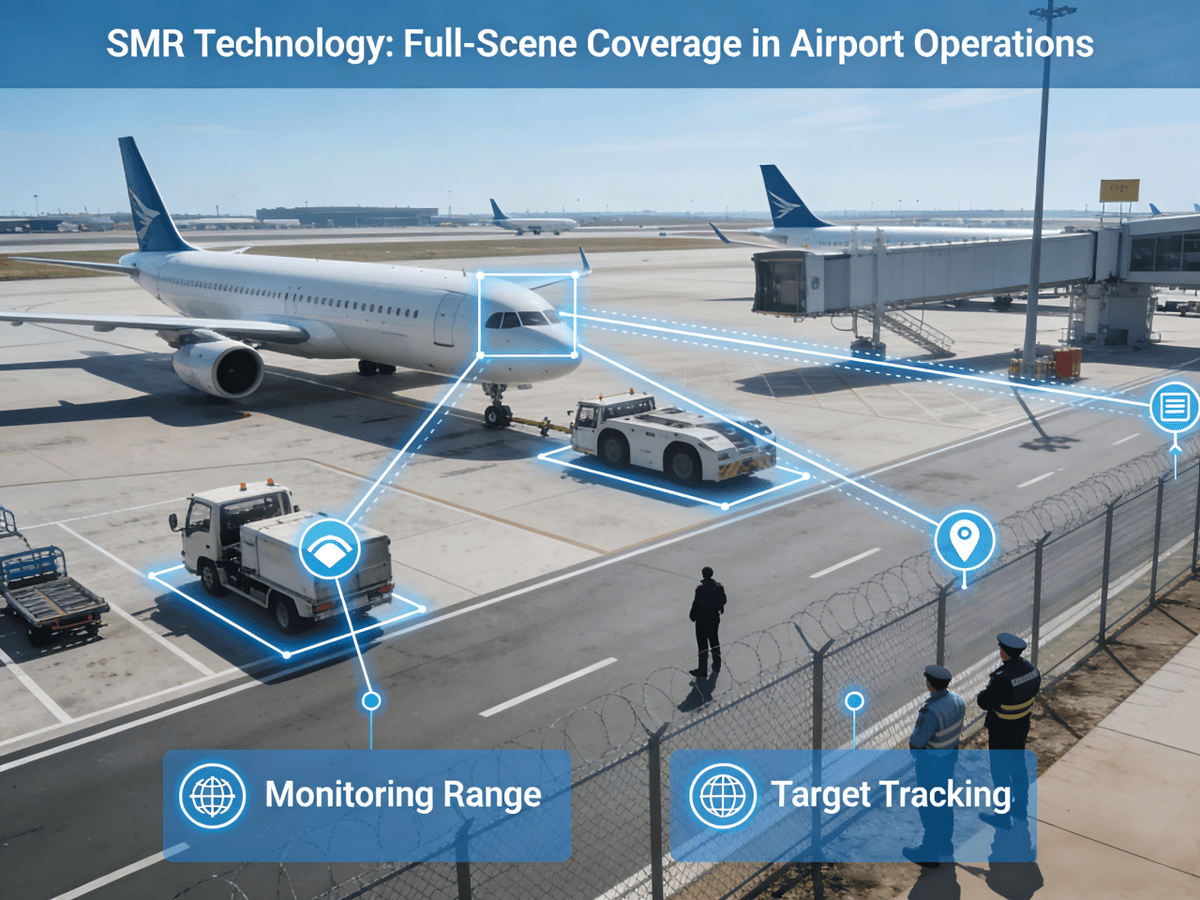
Airport security is a global priority, and Surface Movement Radar (SMR) is a powerful tool for enhancing perimeter security, complementing traditional security measures such as fences and CCTV. SMR can detect unauthorized intrusions—such as vehicles, individuals, or even drones—entering the airport’s restricted perimeter, even in low-visibility conditions or remote areas where CCTV coverage is limited. It triggers immediate alerts for security personnel, who can then respond quickly to intercept intruders and prevent potential threats. SMR’s long-range detection capability (up to 1km for many systems) and all-weather operation make it an ideal security solution for large airports with extensive perimeters, as well as for airports in high-security risk areas. This application of SMR is particularly valuable for airports in the Middle East and other regions where security is a top operational priority.
Emergency Response: Rapid, Coordinated Action
In the event of an emergency—such as an aircraft accident, runway closure, or medical emergency on the tarmac—Surface Movement Radar (SMR) is an invaluable tool for emergency response teams. It provides real-time data on the location of aircraft, vehicles, and personnel on the airport surface, allowing response teams to assess the situation quickly, plan their strategy, and coordinate their efforts with precision. SMR also guides emergency vehicles (e.g., fire trucks, ambulances) to the scene of the incident, ensuring that they reach their destination quickly and safely without interfering with other surface traffic. In critical situations, every second counts, and SMR’s ability to deliver accurate, real-time data can mean the difference between life and death for passengers and crew. It also helps airports resume normal operations faster after an emergency, minimizing the economic impact of disruptions.
The Future of SMR: Innovations Shaping Airport Technology
The evolution of Surface Movement Radar (SMR) is far from over, with cutting-edge innovations driving the development of more advanced, efficient, and accessible systems that will redefine airport operations in the coming years. As the aviation industry continues to grow and embrace digital transformation, SMR technology is adapting to meet new challenges—such as the rise of unmanned aerial vehicles (UAVs) and the need for more sustainable operations—while building on its core strengths of safety and efficiency. These future trends are particularly relevant for airports in North America, Asia, and the Middle East, which are at the forefront of adopting new aviation technologies to stay competitive.
AI and Machine Learning-Powered Signal Processing
The biggest leap in Surface Movement Radar (SMR) technology is the integration of artificial intelligence (AI) and machine learning (ML) into signal processing systems. Traditional SMR systems analyze real-time data to detect and track targets, but AI-powered SMR goes a step further, using predictive analytics to identify potential hazards before they occur. ML algorithms analyze vast amounts of historical and real-time radar data to identify patterns in surface movement, such as an aircraft deviating from its planned taxi route or a ground vehicle operating in a restricted area, and trigger proactive alerts for controllers. This predictive capability will make SMR even more effective at preventing runway incursions and collisions, further enhancing airport safety. AI also improves target classification, allowing SMR to distinguish between even the smallest targets—such as drones or wildlife—with greater accuracy, eliminating false alerts and reducing controller workload. For airport operators, this means a more intuitive, efficient system that requires less human intervention and delivers even more reliable results.
Integration with Unmanned Aerial Vehicles (UAVs)
The increasing use of unmanned aerial vehicles (UAVs) in aviation—for runway inspection, perimeter surveillance, cargo delivery, and even passenger transport—has created a new challenge for airport operators: managing UAV traffic alongside traditional aircraft and ground vehicles. Surface Movement Radar (SMR) is the ideal solution for this challenge, with ongoing development to integrate SMR systems with UAV traffic management platforms. This integration allows SMR to track UAVs in real time, ensuring that they operate safely in designated airspace and do not interfere with other airport activity. For example, SMR can monitor UAVs conducting runway inspections, alerting controllers if a UAV strays into an active flight path. This synergy between SMR and UAVs will not only improve the safety and efficiency of UAV operations at airports but also open up new possibilities for using UAVs to streamline maintenance and security tasks, reducing costs and improving operational efficiency.
Miniaturization and Cost Reduction
One of the key barriers to SMR adoption for small and medium-sized airports and remote airfields has been the size and cost of traditional systems. However, the future of Surface Movement Radar (SMR) is defined by miniaturization, with manufacturers developing smaller, more compact components that maintain the high performance of full-sized systems but are easier to install, maintain, and afford. These miniaturized SMR systems are ideal for regional airports, remote airfields, and even helipads, delivering the same real-time surveillance and safety benefits as larger systems at a fraction of the cost. Cost reduction is also being driven by advances in manufacturing technology and increased competition in the SMR market, which is projected to grow at a CAGR of 4.2% from 2025 to 2033, reaching a value of over $2.2 billion by 2033. This growth will make SMR technology accessible to a wider range of airports worldwide, ensuring that even the smallest airfields can benefit from the safety and efficiency of radar-based surface monitoring.
Sustainable and Energy-Efficient Design
Sustainability is a top priority for the aviation industry, with airports and airlines setting ambitious goals to reduce their carbon footprint. The future of Surface Movement Radar (SMR) includes a focus on sustainable, energy-efficient design, with manufacturers developing systems that consume less power and use eco-friendly materials without compromising performance. Energy-efficient SMR systems reduce airport operational costs and align with global sustainability standards, making them a popular choice for airports looking to meet their green energy goals. Some advanced SMR systems even use solar power for remote installations, eliminating the need for grid electricity and making them ideal for remote airfields in off-grid areas. This focus on sustainability will ensure that SMR technology continues to evolve in line with the aviation industry’s commitment to a greener future.
Why Your Airport Needs SMR Now
In a world where aviation safety and efficiency are non-negotiable, Surface Movement Radar (SMR) is no longer an optional upgrade—it is a fundamental requirement for any airport looking to thrive in the global aviation market. The evidence is clear: SMR reduces safety incidents, improves operational efficiency, cuts costs, ensures regulatory compliance, and enhances the passenger experience. For airports in North America, the Middle East, and Asia—regions driving the future of aviation—SMR is a strategic investment that future-proofs operations against rising traffic, evolving technology, and changing regulatory requirements.
The global SMR market is growing rapidly, driven by increasing air traffic and a focus on airport infrastructure modernization, and airports that invest in SMR now will gain a competitive edge in the years to come. Whether you operate a small regional airfield or a busy international hub, there is an SMR system tailored to your needs—from full-sized, high-performance systems for mega-hubs to miniaturized, cost-effective solutions for remote airports. The technology is constantly evolving, with AI, ML, and UAV integration shaping the next generation of SMR systems, and early adopters will be the first to benefit from these innovations.
At Haisen Global, we specialize in designing and delivering state-of-the-art Surface Movement Radar (SMR) solutions that meet the unique needs of airports worldwide. Our SMR systems are engineered for maximum performance, reliability, and ease of use, with seamless integration with existing airport systems and compliance with all international aviation regulations. We work closely with airport operators to assess their operational needs and design a customized SMR solution that delivers tangible results—enhanced safety, improved efficiency, and substantial cost savings.
If you are ready to transform your airport operations and elevate safety and efficiency to new heights, contact our team today to learn more about our SMR solutions. Let us help you build a smarter, safer, and more efficient airport with the power of Surface Movement Radar.